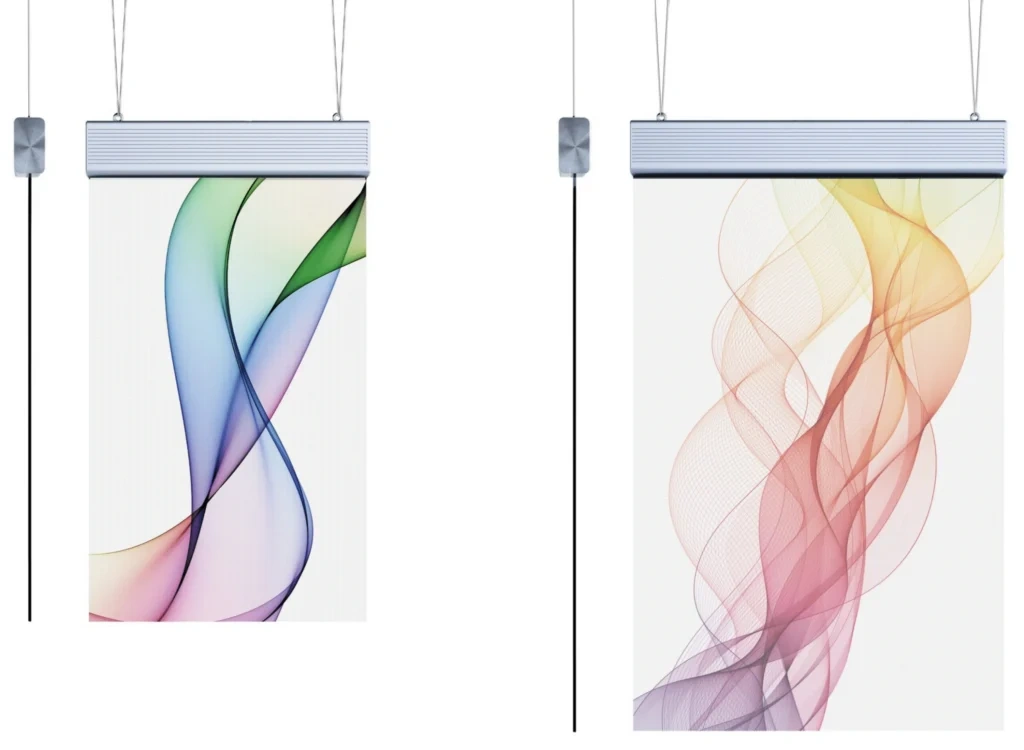
In the evolving landscape of architectural aesthetics and digital out-of-home (DOOH) advertising, the transparent LED screen has emerged as the premier solution for brands seeking to blend digital content with physical environments. However, for system integrators and global wholesalers, the primary hurdle often lies in understanding the complex variables behind the transparent LED screen price.
At Unishine LED , with over 20 years of bespoke engineering experience and a 10,000㎡ automated production base, we recognize that price is not just a number—it is a reflection of component tiering, manufacturing precision, and long-term reliability. This guide serves as a strategic framework to help you navigate the nuances of LED glass screen costs and optimize your investment for maximum ROI.
Understanding the Value Beyond the Price Tag
When researching transparent LED screen prices, buyers frequently encounter a staggering range, often from $500 to over $3,000 per square meter. To the untrained eye, two screens may look identical, but the discrepancy lies in the “invisible engineering”—the heat dissipation efficiency, the transparency rate, and the quality of the driver ICs.
As a source manufacturer, Unishine leverages vertical integration to optimize these costs. Our 18+ automated SMT lines and rigorous ISO-certified protocols allow us to offer factory-direct pricing while maintaining the high-grade quality required for prestigious installations in the US and European markets.
The Pricing Benchmark: Why “Price per Square Meter” is Only the Beginning
A common mistake in procurement is focusing solely on the base cost per square meter. In bespoke visual systems, the application dictates the grade of the hardware.
- Entry-Level (Indoor Retail): Focused on short-range viewing with standard brightness. These are cost-effective but lack the thermal management for 24/7 high-intensity use.
- Professional Grade (Architectural Facades): Requires high-nit output to compete with direct sunlight and robust weatherproofing (IP65+), significantly increasing the base material cost.
Standard Price Range Table by Application
| Application Type | Key Features | Est. Price Range (SQM) |
|---|---|---|
| Indoor Luxury Retail | P2.6 – P3.9, 1000-1500 Nits. Focus on high-definition visual impact for flagship stores. | $800 – $1,500 |
| Architectural Facades | P10.4, 5500+ Nits, IP65. Direct sunlight readability and 80%+ transparency rate. | $1,200 $2,500 |
| Events & Staging | Rapid Install Frames. Lightweight alloy cabinets designed for 100+ rental cycles. | $900 – $1,800 |
The “Price DNA”: 5 Critical Factors Driving the Cost
Understanding what makes up the transparent LED screen price allows you to make informed trade-offs between performance and budget.
1. Pixel Pitch (P2.6 to P10.4)
The pixel pitch determines the resolution. A P2.6 screen has significantly more LEDs per square meter than a P10.4, directly increasing the cost of raw materials and SMT processing time. For window displays with close viewing distances, the higher investment in density is mandatory for visual impact.
2. Luminous Intensity (Nits)
Standard indoor screens operate at 800-1200 nits. However, for glass-mounted displays facing the sun, you require U-max series performance—delivering 5500+ nits. These high-brightness LEDs require specialized heat dissipation and high-efficiency power supplies, which command a premium price.
3. Transparency Rate vs. Structural Integrity
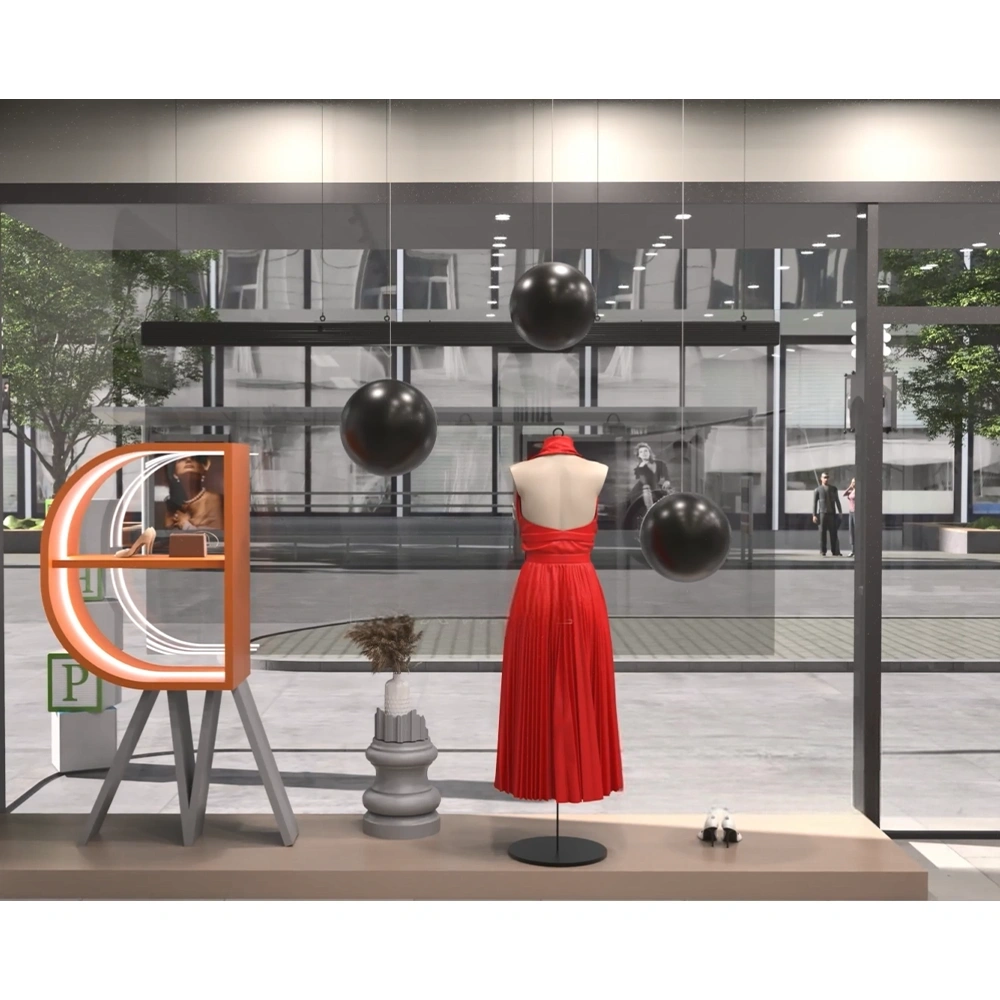
Achieving 80%+ transparency requires side-emitting (Side-view) LED technology. This precision process is more costly than standard front-emitting SMD technology but is essential for maintaining the architectural “invisibility” of the glass.
4. Component Tiering
The longevity of your investment depends on component selection. At Unishine, we prioritize Nationstar lamp beads and high-end driver ICs (like MBI or ICN) that support a 7680Hz refresh rate. Lowering the price by using Tier-3 lamp beads often results in color shifting and rapid brightness decay within 12 months.
5. Cabinet Material: Aluminum-Magnesium Alloy
While cheaper profile aluminum reduces initial cost, our die-casting magnesium alloy cabinets offer superior weight reduction and durability. For rental companies using the U-RENT or U-RP series, this material choice saves thousands in transportation and labor costs over the product’s life.
Manufacturing Excellence: How Quality Control Minimizes Long-term Costs
Choosing a source factory like Unishine reduces your “Hidden Cost of Failure.” Our manufacturing process is designed to eliminate the need for expensive on-site technical support after the screen is shipped overseas.
To assist our global partners in their vetting process, we have codified our internal production standards into a comprehensive reliability rubric, ensuring every transparent asset exceeds industry benchmarks:
Unishine Quality Assurance Protocol
Verified Manufacturing Excellence
Hidden Costs You Must Include in Your Budget
The transparent LED screen price you receive from a factory usually covers the cabinets. To build a realistic CAPEX (Capital Expenditure) budget, you must account for:
1. Control Systems: Choosing between Novastar (standard) or Brompton (high-end broadcast) can impact the processing budget by 15-30%.
2. Mounting Structure: Transparent screens mounted on glass facades require specialized lightweight steel or hanging structures that are often overlooked.
3. Logistics: Due to the delicate nature of transparent PC strips, we recommend high-standard flight cases or reinforced wooden crates, which influence shipping volume.
4. Operational Expenses (OPEX): Unishine’s energy-saving drive technology reduces power consumption by up to 30%, which significantly lowers the lifetime cost of ownership.
ROI Strategy: Choosing the Right Screen for Your Industry
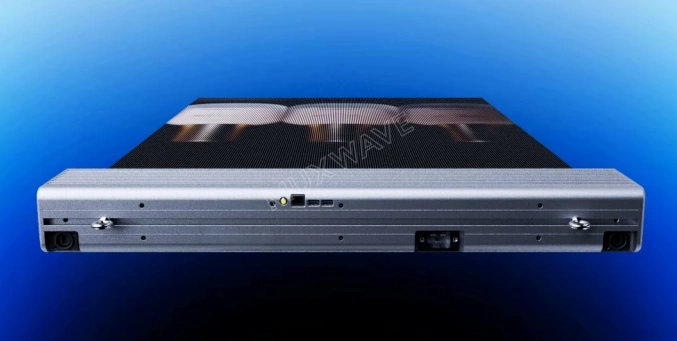
True ROI is found in the operational phase; Unishine integrates specific hardware efficiencies designed to aggressively reduce the three primary pillars of Total Cost of Ownership:
Strategic ROI & TCO Optimization
Leveraging U-max high-resolution transparency to drive foot traffic. Our COB tech minimizes pixel damage in high-traffic commercial zones, protecting your upfront CAPEX.
The U-max series delivers 5500+ nits while utilizing energy-efficient driver ICs. Reduce operational power costs by 30% without sacrificing daylight visibility.
Expert Tips: Avoiding the “Low-Price Trap”
Low-cost transparent LED screens often hide defects that manifest after 3–6 months:
- Oxidation & Yellowing: Lower-grade PC (Polycarbonate) strips will yellow under UV exposure, ruining the transparency.
- Flicker in Videos: Using low-refresh driver ICs (1920Hz instead of 7680Hz) causes flickering when recorded by mobile phones or professional cameras.
- Power Supply Failure: Cheap power supplies lack PFC (Power Factor Correction), leading to high heat and potential fire hazards in enclosed glass spaces.
Professional FAQ: Transparent LED Investment
Q: Does higher transparency always mean a higher price?
A: Generally, yes. Higher transparency requires thinner LED strips and specialized side-emitting LEDs, which are more expensive to manufacture than standard SMDs.
Q: What is the average lifespan of a Unishine transparent LED?
A: With our high-standard component selection and thermal management, our screens have a rated lifespan of 100,000 hours (approximately 10 years of standard use).
Q: How do you provide OEM/ODM pricing?
A: We offer flexible customization for wholesalers. By modifying the cabinet size, PCB layout, or brightness specs, we can tailor a quote that fits your specific market’s price-to-performance sweet spot.
Securing Your Investment with Unishine LED
Investing in a transparent LED screen is a strategic decision that bridges the gap between digital content and architectural design. While the transparent LED screen price is influenced by various technical factors, partnering with a source manufacturer ensures that your budget is allocated toward quality engineering rather than middleman markups.
At Unishine LED, we combine 20 years of manufacturing heritage with the flexibility of a modern OEM/ODM partner. Whether you are outfitting a luxury boutique or a massive building facade, we provide the technical clarity and price transparency you need to succeed.