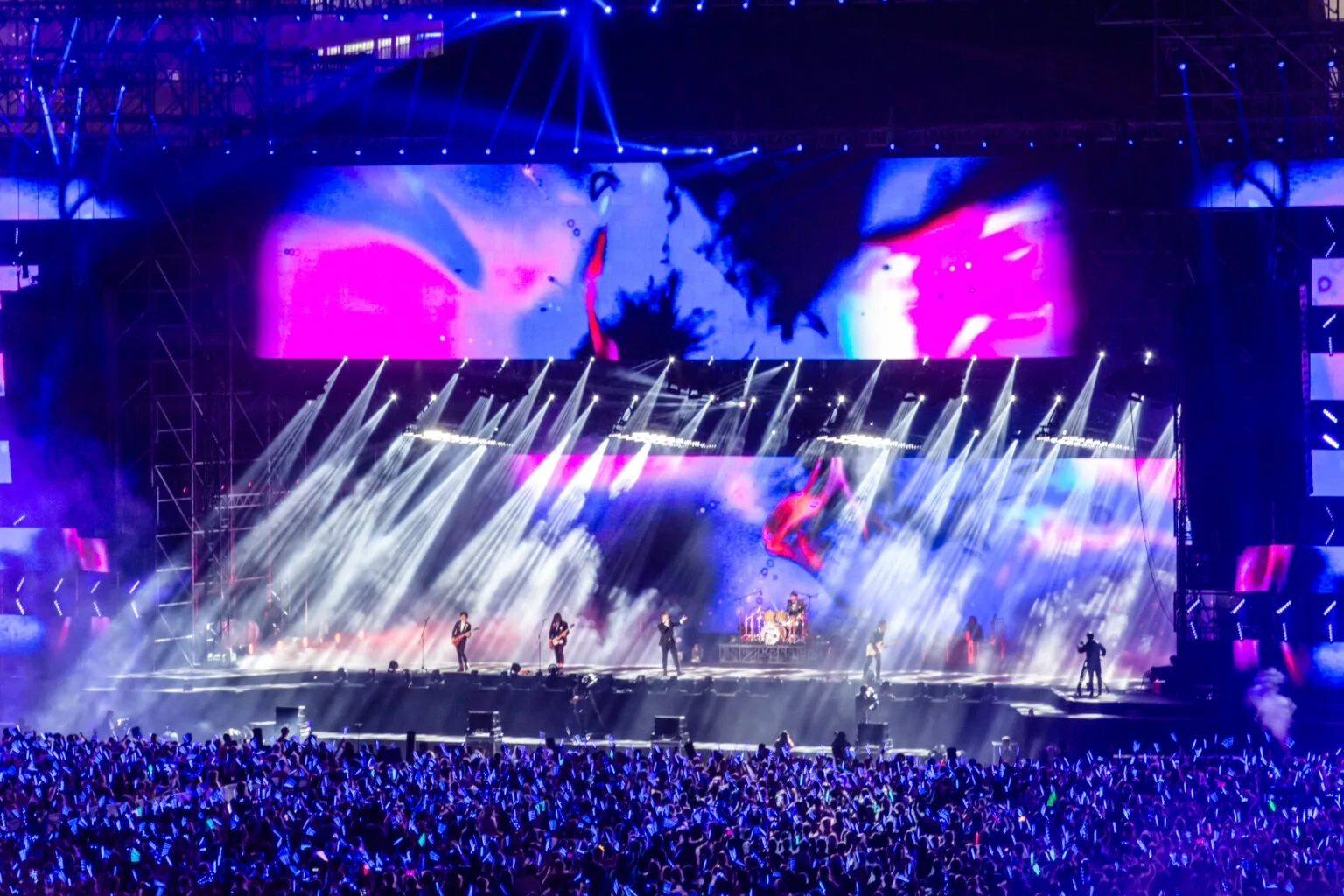
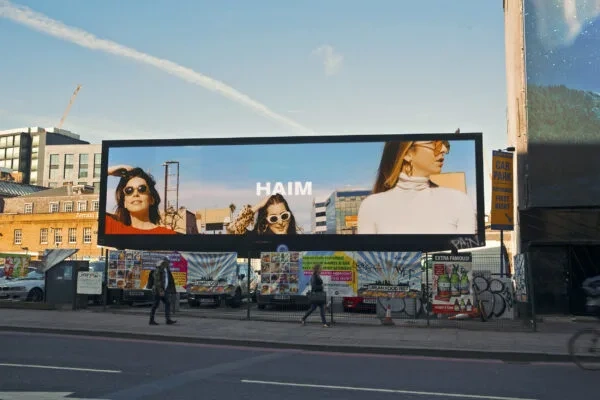
Outdoor and indoor LED displays look superficially similar — same general technology, same pixel pitch concept, often the same manufacturer. But underneath, they’re built for fundamentally different operating environments. An indoor display deployed outdoors typically fails within months; an outdoor display used indoors wastes 40%–60% of its cost on capabilities you don’t need.
This guide explains the technical differences, when to use each type, and the specification checklists that experienced AV system integrators use to avoid expensive mismatches.
If the screen faces sunlight, rain, or sub-zero temps, you must choose a high-performance Outdoor Spec. (Note: “Semi-outdoor” does not exist in professional engineering.)
Quick decision rule
If the screen will face direct sunlight, rain, or temperatures below 0°C — it’s an outdoor screen. Indoor screens lack the brightness, weatherproofing, and thermal range to survive outdoor conditions. There’s no “semi-outdoor” middle ground; the construction is fundamentally different.
The Core Differences at a Glance
| Specification | Indoor LED | Outdoor LED |
|---|---|---|
| Brightness | 800–1,500 nits | 5,000–8,000 nits |
| Pixel Pitch Range | P0.9 – P4 | P3 – P10 |
| IP Rating | IP30–IP43 | IP65 Front / IP54 Rear |
| Operating Temp | 0°C to +40°C | −20°C to +50°C |
| LED Chip Type | SMD (1010, 0808 packages) | SMD (1921, 2121 packages) |
| Cabinet Material | Aluminum or Steel | Sealed Alum / Galv. Steel |
| Weight (per m²) | 25–40 kg | 45–75 kg |
| Power Consumption | 200–500 W/m² | 600–1,000 W/m² |
| Typical Lifespan | 80,000–100,000 hrs | 60,000–80,000 hrs |
Indoor LED Displays: Specifications and Use Cases
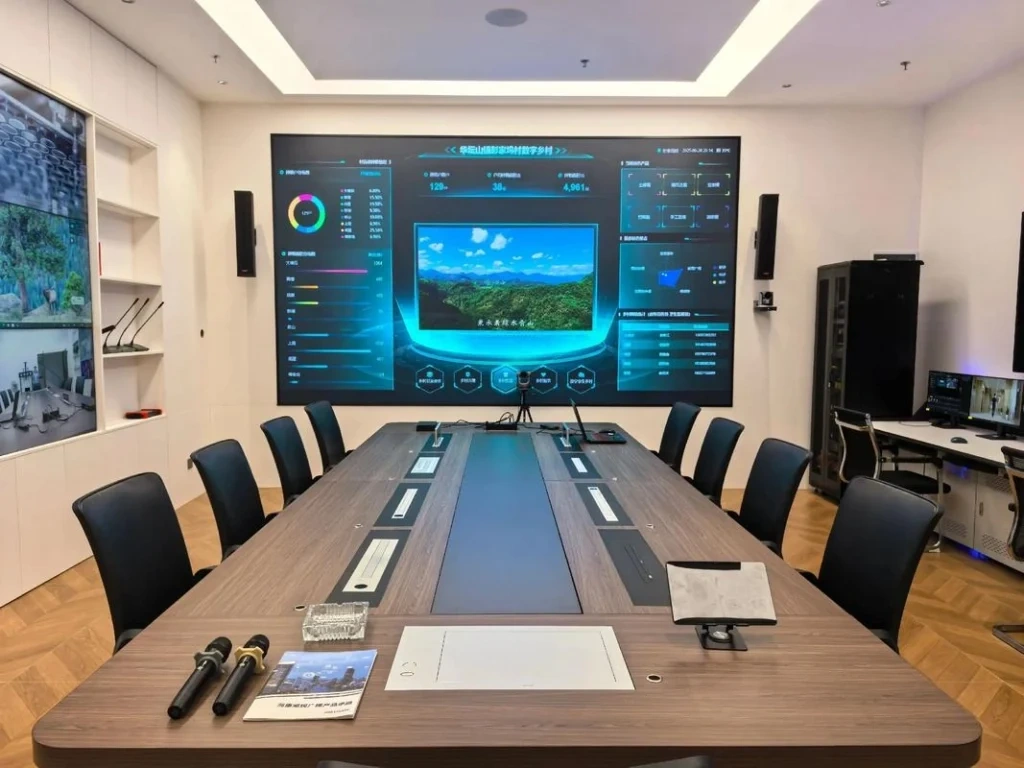
Indoor LED displays are designed for controlled environments — climate-controlled rooms, enclosed buildings, no exposure to weather. The design priorities are image quality at close viewing distances, cost efficiency, and minimal heat output (since heat affects nearby people and HVAC systems).
Brightness Considerations
Indoor displays operate at 800–1,500 nits — comparable to a high-end LCD TV. Going higher creates two problems: viewer eye fatigue at close range, and excessive heat output that strains HVAC systems. Most indoor environments have ambient lighting of 300–500 lux, and 1,000 nits is sufficient for vivid display.
Some indoor environments — broadcast studios, retail flagships with strong window light — may require 1,500–2,500 nits. This is sometimes called “semi-outdoor” or “high-brightness indoor,” but the construction remains indoor (no IP rating, no weatherproofing). Don’t confuse with true outdoor displays.
Common Indoor Applications
- Conference rooms and boardrooms: P1.5–P2.5, 24–60 m²
- Broadcast studios: P1.2 COB or P1.5 SMD, refresh rate ≥3840 Hz mandatory
- Retail flagships: P1.8–P2.5, often shaped or curved displays
- Control rooms and command centers: P0.9–P1.5 COB for image consistency
- Corporate lobbies: P1.5–P2.5, often large format (50+ m²)
- Indoor events and exhibitions: P2.6–P3.91 rental panels
- Sports venue interiors: P2.5–P4 indoor for arena bowl displays
- Cinema and theater: P0.9–P1.5 emerging as alternative to projection
Indoor Specification Checklist
- Brightness: 800–1,500 nits typical; 1,500–2,500 for window-lit environments
- Refresh rate: 1920 Hz minimum; 3840 Hz for any camera capture
- Contrast ratio: 4,000:1 or better
- Viewing angle: 160°/160° (H/V) standard
- Color depth: 14-bit minimum; 16-bit for broadcast
- Power consumption: typically 200–500 W/m² peak
- Service access: front service for wall-mounted, front+rear for hung
- Cabinet weight: 25–40 kg/m² for fixed install
Heat consideration
Indoor LED screens release significant heat — approximately 70%–80% of the power they consume. A 30 m² P2.5 display drawing 12 kW peak releases 8–10 kW of heat. Factor this into HVAC capacity planning, especially for enclosed conference rooms.
Outdoor LED Displays: Specifications and Use Cases
Outdoor LED displays are engineered for harsh environmental conditions — direct sunlight, rain, dust, humidity, temperature swings from −20°C to +50°C, wind loads, and continuous operation 12–18 hours per day. Every component, from LED chips to power supplies to cabinet construction, is selected for environmental durability.
Brightness Requirements
The minimum usable outdoor brightness is approximately 5,000 nits — enough to remain visible against direct sunlight on a clear day. Premium installations spec 6,500–8,000 nits for guaranteed legibility under any conditions. Quality outdoor screens must include light sensors for auto-brightness control, reducing output to 500–800 nits at night to extend lifespan and comply with local light pollution regulations.
The 2026 Game Changer: Common Cathode Technology
The most critical specification for outdoor displays in 2026 is Common Cathode energy-saving technology. Traditional outdoor screens are notorious “power-hungry beasts,” but modern professional displays (like Unishine’s outdoor series) utilize a Common Cathode architecture to provide high brightness while reducing power consumption by 30%.
This technology enables “cold-screen operation,” which significantly reduces heat dissipation. For B2B project owners, this is a strategic advantage: it drastically lowers monthly electric bills and, in many climates, allows the screen to operate reliably without expensive auxiliary air conditioning units. This single specification can save thousands of dollars in annual OpEx and long-term infrastructure costs.
IP Ratings Explained
The standard outdoor LED display rating is IP65 front / IP54 rear:
- IP65 front: Dust-tight; protected against water jets from any direction. Front-facing surface is sealed against rain.
- IP54 rear: Limited dust ingress; protected against splashing water. The rear is typically protected by mounting structure or a wall.
For installations in extreme environments (coastal, desert, polar), upgraded ratings like IP66 or IP67 may be specified. These add cost and shipping weight but prevent failures in salt spray, fine sand, or freezing rain.
Common Outdoor Applications
- Highway billboards: P6–P10, 50–200+ m², elevated structures
- Urban DOOH advertising: P3–P5, retail facades and transit hubs
- Stadium screens: P5–P10, very large format (200+ m²)
- Sports perimeter advertising: P5–P10, ribbon-style displays
- Smart pole displays: P3–P5, urban infrastructure
- Outdoor festivals and events: P3.91–P4.81 rental panels (different from permanent outdoor)
- Transportation hubs: P4–P6, airport exteriors and station facades
- Retail building facades: P3–P5 architectural displays
Outdoor Specification Checklist
- Brightness: 5,000–8,000 nits with auto-brightness control
- IP rating: IP65 front / IP54 rear minimum
- Operating temperature: −20°C to +50°C (verify for your installation climate)
- Wind load rating: 12 on the Beaufort scale (≥118 km/h) typical
- Refresh rate: 1920 Hz minimum; 3840 Hz if visible from highways (camera capture by passing vehicles)
- Lightning protection: Surge suppressors on all power and signal lines
- Cabinet sealing: sealed power supplies (IP66) and sealed control box
- Service access: front-service or rear-service depending on mounting (rear-service requires accessible space behind)
- Drainage and ventilation: condensation drainage holes, internal cooling system
Front-Service vs Rear-Service Outdoor Designs
A critical decision for outdoor installations:
- Front-service: Modules are removable from the front face. Required for wall-mounted installations.
- Rear-service: Modules accessed from behind. Lower cost and lighter cabinets. Requires permanent rear access.
B2B Installation Tip: A common hidden cost in outdoor projects is the forced modification of existing steel structures to accommodate standard-sized panels. While Tier-1 giants typically offer only fixed, standardized cabinet sizes, Unishine provides flexible customized cabinet sizes. We manufacture screens that perfectly fit your existing architectural framework or billboard structure, allowing you to avoid expensive structural rework and drastically lowering your overall Installation Cost.
Common Edge Cases: When the Indoor/Outdoor Boundary Is Unclear
Several environments fall between traditional indoor and outdoor categories. Specifying correctly avoids costly mistakes.
Covered Outdoor (Patios, Stadium Concourses)
Locations protected from direct rain but exposed to ambient outdoor temperature, humidity, and occasional wind-driven moisture. Examples: covered stadium concourses, hotel patios, transit station overhangs.
Recommendation: Outdoor-rated panels are the safer choice. The temperature range and humidity exposure exceed indoor specifications, even without direct rain.
Storefront Windows (Indoor Facing Outward)
Displays inside a building, facing outward through a glass storefront for street-level visibility. The screen itself is indoors (climate-controlled) but viewers are outdoors looking through glass.
Recommendation: Indoor panels with high brightness (1,500–2,500 nits) — sometimes called “high-brightness indoor” or “storefront LED.” The screen needs to overcome window reflections and outdoor ambient light, but the construction can remain indoor (no IP65 needed because the screen never gets wet).
Industrial Environments
Manufacturing floors, warehouses, mining operations. Indoor location, but with dust, vibration, and sometimes extreme temperatures.
Recommendation: Specify higher IP rating than typical indoor (IP54 minimum) and verify operating temperature range. Standard indoor displays may fail prematurely in dusty industrial environments.
Outdoor Events Under Tents
Festivals, weddings, and corporate events held under temporary tents. Protected from direct rain but exposed to outdoor temperature and humidity.
Recommendation: Indoor rental panels (P3.91 or P4.81) are typically sufficient if the event lasts hours, not days. For multi-day festivals or unpredictable weather, outdoor rental panels offer insurance against unexpected rain.
Pricing Comparison: Indoor vs Outdoor at the Same Pitch
For pixel pitches that exist in both indoor and outdoor versions (P3, P3.91, P4), outdoor versions cost approximately 30%–50% more. The premium covers:
- Higher-brightness LED chips (3–5× higher current capability)
- IP65 sealing process (additional manufacturing steps)
- Sealed power supplies and controllers (premium components)
- Heavier-duty cabinet construction and corrosion-resistant coatings
- Lightning protection and surge suppression circuitry
- More complex thermal management (internal cooling)
For a detailed cost breakdown including freight, customs, and installation, see our LED Video Wall Cost Calculator.
Common Mistakes When Specifying Indoor vs Outdoor
Mistake 1: Using Indoor Panels in Semi-Outdoor Environments
A common cost-saving attempt that fails. Indoor panels deployed in covered outdoor environments (patio bars, stadium concourses, building overhangs) typically fail within 6–18 months due to humidity infiltration and temperature cycling. The savings versus outdoor panels are dwarfed by the replacement cost.
Mistake 2: Over-Specifying Outdoor Panels for Indoor Use
Buying outdoor panels for an indoor application “to be safe” wastes 30%–50% of the budget. Indoor environments don’t need 8,000-nit brightness, IP65 sealing, or freezing-temperature operation. The extra capacity sits unused.
Mistake 3: Ignoring Auto-Brightness for Outdoor
Outdoor screens running at full brightness 24 hours a day waste 30%–40% of energy and shorten LED lifespan by 20%–30%. Auto-brightness control is a small addition (typically included in quality factories) but materially affects total cost of ownership.
Mistake 4: Insufficient Wind Load Specification
For elevated outdoor billboards (10+ meters above ground), wind load must be calculated for the specific installation site. Generic “Beaufort 12” specification may be insufficient for hurricane-prone or coastal regions. Engage a structural engineer for installations above 5 meters or in extreme weather zones.
Frequently Asked Questions
Can I use rental LED panels for permanent outdoor installation?
Generally no. Rental panels (whether indoor or outdoor rental versions) are designed for repeated assembly/disassembly, not for 5+ years of continuous environmental exposure. The cabinet sealing and structural design differ from permanent outdoor displays. Use rental for short-term installations only.
What’s the difference between outdoor and outdoor rental panels?
Permanent outdoor panels are heavier (60–75 kg/m²), with sealed cabinets designed for years of exposure. Outdoor rental panels are lighter (25–40 kg/m²), with quick-lock mechanisms for fast assembly, but reduced weatherproofing — designed for events lasting hours to days, not months. Both are technically “outdoor” but for different use cases.
Do outdoor panels work in tropical climates with high humidity?
Yes, with appropriate specifications. For tropical installations, ensure the operating temperature range covers your climate (typically up to +50°C), humidity rating is 95% RH non-condensing, and the cabinet has condensation drainage. Some manufacturers offer tropical-specific configurations with corrosion-resistant coatings.
Can outdoor LED displays operate in freezing temperatures?
Yes. Standard outdoor displays operate to −20°C, with cold-climate variants extending to −40°C for installations in northern regions. The main consideration is start-up time — LED screens typically need 5–10 minutes to reach optimal operating temperature in extreme cold. Power supply heating elements are sometimes added for sub-zero installations.
Need Help Specifying Indoor or Outdoor for Your Project?
Our engineering team can recommend the right configuration based on your installation environment, viewing distance, and budget. Quote turnaround within 24 hours, with detailed specifications useful for comparing across suppliers.
For comprehensive guidance on selecting an LED manufacturer for indoor or outdoor projects — including 12 reputable Chinese factories and which type of project each one specializes in — see our companion guide: Top 12 LED Video Wall Manufacturers in China (2026).