Why LED Display Prices Vary So Much
Reviewing an LED display quote can be confusing. For the same ten-square-meter screen size, one supplier may quote a few thousand dollars, while another premium manufacturer may charge several times more.
This price gap is rarely random. It usually reflects real differences in diode quality, pixel pitch, cabinet structure, driver IC performance, refresh rate, waterproofing, power efficiency, production process, testing standards, and after-sales support.
If you only compare the final number on the quotation, you may miss the actual cost behind the screen. A low upfront LED screen cost can quickly become expensive when the display develops dead pixels, flickers on camera, consumes excessive power, requires frequent maintenance, or fails during a public event.
That is why professional buyers should evaluate LED display price through Total Cost of Ownership, not only through the purchase price.
A reliable LED display is not just a visual product. It is a long-term business asset that affects audience experience, brand reputation, operating costs, installation efficiency, and project ROI.
Need a Project-Based LED Display Price?
Share your screen size, viewing distance, installation environment, and deadline to get a more accurate cost recommendation.
Why Is There No Standard LED Display Price?
There is no universal standard price for LED displays because every project has different technical requirements.
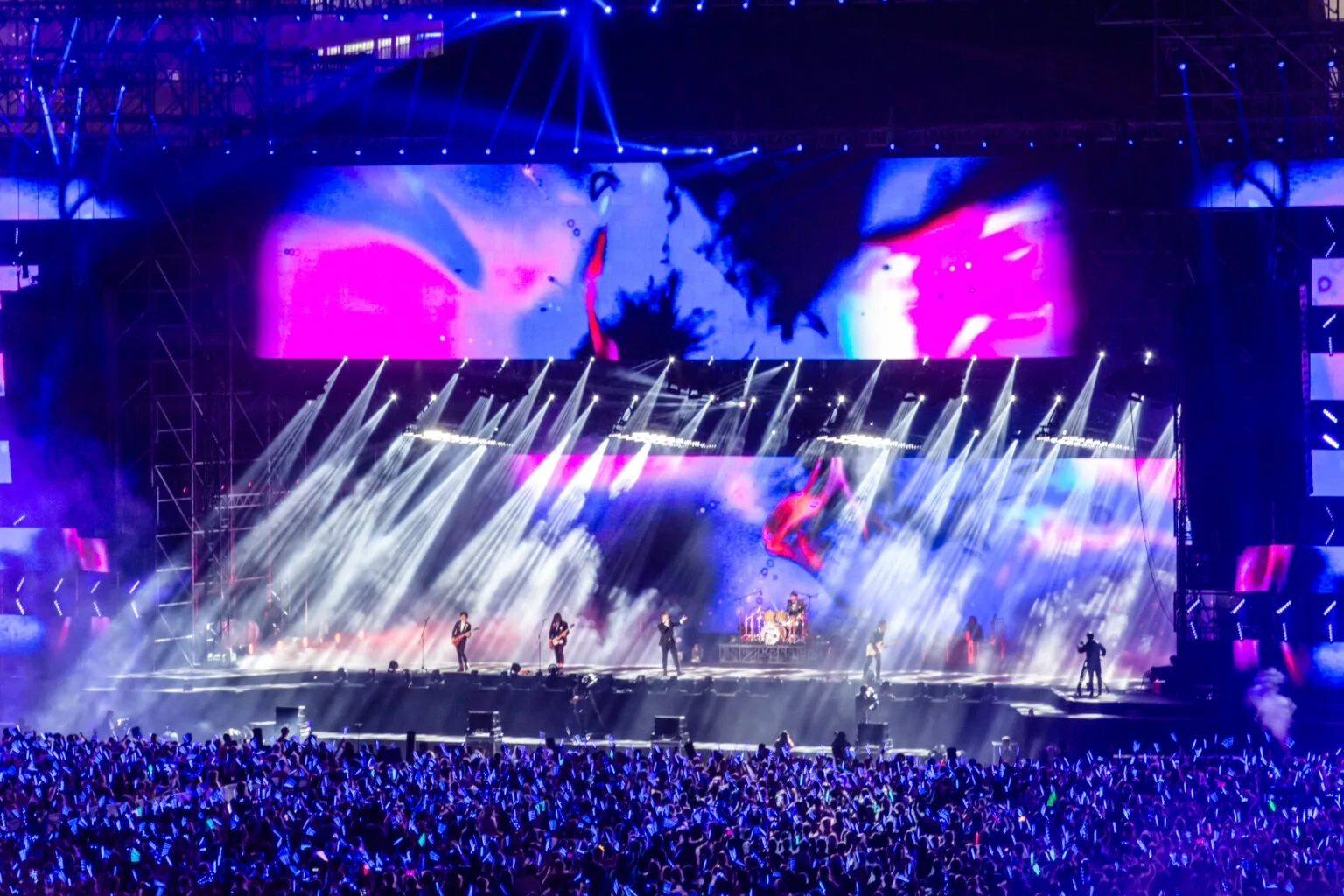
An indoor church video wall, an outdoor 3D billboard, a transparent retail window display, a corporate conference screen, and a touring stage rental screen all require different specifications.
The final LED display price is usually affected by:
- Pixel pitch
- Screen size
- Indoor or outdoor environment
- Brightness requirement
- Refresh rate
- LED lamp quality
- Packaging technology
- Cabinet material
- Waterproof rating
- Control system
- Installation structure
- Logistics and customs cost
- Maintenance requirements
- Warranty and technical support
This is why a general online LED screen price list can only give a rough reference. A professional quotation must be based on the project’s viewing distance, installation environment, screen size, usage frequency, content type, and long-term operating expectations.
LED Display Price Range by Application
The following price ranges are general factory-direct reference ranges. Final pricing depends on pixel pitch, cabinet design, configuration, order quantity, destination, logistics method, and project requirements.
These ranges help buyers establish a realistic starting budget, but they should not replace a project-specific quote. A large outdoor display facing direct sunlight, for example, requires a very different configuration from an indoor video wall viewed from only three meters away.
The 5 Technical Factors That Drive LED Screen Cost
1. Pixel Pitch and Resolution Density
Pixel pitch measures the distance between the center of one LED pixel and the center of the next.
A smaller pixel pitch means higher pixel density and sharper image quality at close viewing distances. However, it also means more LED diodes, more complex production, stricter quality control, and higher manufacturing cost.
For example, a P2 screen contains significantly more LED diodes per square meter than a P4 screen. This increases raw material cost, SMT production time, calibration difficulty, and overall LED display panel price.
Choose pixel pitch based on viewing distance:
- P0.9 – P2.5: close-viewing indoor spaces
- P1.56 – P3.91: conferences, churches, exhibitions, and stage backdrops
- P3.91: rental events, outdoor stages, and medium-distance viewing
- P4 – P10: large outdoor billboards, stadiums, and long-distance viewing
The best choice is not always the smallest pitch. The best choice is the pitch your audience can actually perceive.
2. LED Lamp Quality and Packaging Technology
LED lamps are one of the most important cost components of an LED screen.
Higher-quality lamps provide better brightness consistency, color uniformity, lower dead-pixel rates, and longer operating life. Premium lamp configurations increase the initial LED screen panel price, but they reduce maintenance risk and improve long-term ROI.
Packaging technology also affects cost and durability.
Standard SMD technology is mature and widely used in indoor, outdoor, and rental displays. It offers strong cost performance for many commercial projects.
COB and flip-chip technologies are used in higher-end display applications where impact resistance, moisture protection, deeper contrast, and fine-pitch performance are important. These technologies usually increase the upfront LED display price, but they can improve durability and visual quality in premium environments.
For projects requiring high-end indoor clarity, product lines such as U-Pad, and U-Panel can be considered depending on the required pixel pitch, contrast level, and installation method.
3. Brightness and Environmental Protection
Indoor and outdoor LED displays are built for different environments.
Indoor LED screens usually operate around 600 to 800 nits. They prioritize comfortable viewing, color accuracy, grayscale performance, and low-noise operation.
Outdoor LED screens must fight sunlight, rain, dust, heat, wind, and long-term environmental exposure. They often require 6,000 to 20,000 nits brightness, IP65 or higher protection, stronger cabinet sealing, better heat dissipation, and more durable power systems.
This is why outdoor LED display screen price is generally higher than indoor LED screen price.
For outdoor fixed or advertising projects, product lines such as U-Max, U-Shield, U-Fit, and U-Rugged are better aligned with high brightness, weather resistance, and structural stability.
4. Refresh Rate and Driver IC Performance
In modern events, retail spaces, broadcast environments, and outdoor advertising, LED screens are often recorded by smartphones, live-streaming equipment, or professional cameras.
If the refresh rate is too low, the screen may show black scanning lines, flickering, moiré patterns, or unstable color bands on camera.
High-end driver ICs support higher refresh rates, such as 3,840Hz or 7,680Hz. This improves camera compatibility and makes the screen appear smooth in photos, videos, and live broadcasts.
For concerts, TV studios, corporate launches, sports events, and social-media-heavy brand activations, refresh rate should be treated as a key cost factor, not an optional upgrade.
5. Cabinet Material and Mechanical Engineering
The cabinet is the structural foundation of the LED screen.
Low-cost iron cabinets may reduce the initial quote, but they are heavier, less precise, more difficult to align, and more vulnerable to deformation or rust over time.
Premium die-cast aluminum cabinets provide better flatness, lighter weight, faster installation, and better long-term stability. For rental applications, fast-lock mechanisms, corner protection, curved splicing capability, and front maintenance directly affect setup efficiency and labor cost.
For stage rental and touring projects, product lines such as U-RP, and U-Rent are designed around faster assembly, repeated handling, and event reliability.
Indoor LED Screen Price vs. Outdoor LED Screen Price
Indoor and outdoor LED screens have different cost structures.
Indoor LED Screen Price: Indoor displays are usually priced based on pixel pitch, image quality, contrast, cabinet thickness, front maintenance, and visual comfort.
They are commonly used in:
- Churches
- Conference rooms
- Auditoriums
- Retail stores
- Corporate lobbies
- Control rooms
- Exhibition booths
For churches and houses of worship, LED video walls are often used to replace traditional projectors. Although the initial LED wall cost may be higher than a projector, LED displays offer higher brightness, stronger contrast, longer operating life, and better visibility under ambient light.
This can reduce long-term replacement cost and improve the congregation’s viewing experience.
Products such as U-DM, U-Max, U-CFP, U-Panel, and U-Pad can support indoor projects that require close-viewing clarity, front maintenance, and stable visual performance.
Outdoor LED Screen Price
Outdoor displays cost more because they must survive difficult environments.
Major outdoor cost drivers include:
- High brightness
- IP65 or higher waterproofing
- Wind-load structure
- Heat dissipation
- UV resistance
- Anti-corrosion cabinet design
- Higher power configuration
- Longer-distance visibility
Outdoor LED displays are commonly used for:
- Digital billboards
- Sports venues
- Stadium perimeter screens
- Outdoor advertising
- Transportation hubs
- Mobile event trucks
- Naked-eye 3D landmarks
For high-value DOOH media projects, a higher outdoor LED display price can be justified if the screen attracts premium advertisers, increases dwell time, improves visibility, and generates stronger media revenue.
Transparent LED Screen Price: Why It Costs More
Transparent LED screens often cost more per square meter than standard solid-cabinet LED displays.
The reason is that transparent screens require a different structural design. They must balance brightness, transparency, weight, heat dissipation, and architectural integration at the same time.
Key cost factors include:
- Transparency rate
- LED strip or mesh structure
- Lightweight frame design
- Glass-wall integration
- Brightness requirement
- Viewing distance
- Installation method
- Content requirements
Transparent LED displays are commonly used in:
- Luxury retail windows
- Shopping malls
- Automotive launches
- Glass building façades
- Exhibitions
- Brand activations
- High-end commercial spaces
Although the transparent LED screen price may be higher upfront, it can preserve natural light, reduce visual blockage, create futuristic floating effects, and increase street-level attention.
For retail and architectural projects, products such as Uni-G, Uni-U, Uni-F, Uni-P, and Uni-A can be considered based on transparency needs and installation conditions.
Rental LED Screen Cost: Stage, Event, and Touring Budgets
Rental LED screen cost is different from fixed installation cost.
For event planners, the quote usually depends on:
- Screen size
- Rental duration
- Pixel pitch
- Indoor or outdoor use
- Ground stacking or hanging
- Curved or flat installation
- Setup and dismantling labor
- Video processor rental
- Power distribution
- Signal cables
- Logistics
- Insurance
- On-site technical support
- Spare parts
A one-day event may have a higher daily rate because transportation, installation, testing, standby support, dismantling, and return logistics still require full labor input.
Multi-day exhibitions, concert tours, and repeated events may receive better package pricing.
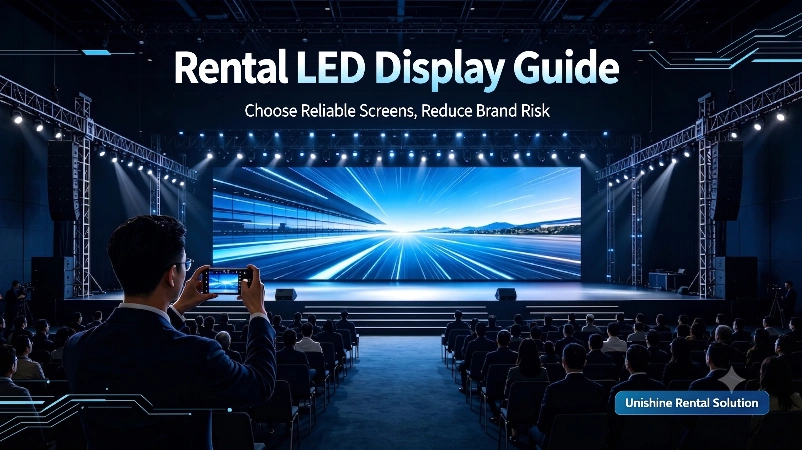
For rental companies, the business model is different. The key is not only how much the LED screen costs to buy, but how often it can be rented out, how fast it can be assembled, how well it survives transportation, and how little maintenance it requires.
A durable rental cabinet with fast locking, front maintenance, high refresh rate, and reliable flight-case protection can improve asset utilization and long-term ROI.
Hidden Costs Beyond the LED Panels
The physical LED panels often represent only part of the total project cost. Buyers should also budget for the supporting system around the display.
1. Control System and Video Processing
A complete LED video wall needs sending cards, receiving cards, processors, software configuration, and signal management.
Large 4K or 8K screens may require more advanced processors, multi-port output, backup signal paths, and professional calibration.
These components can significantly affect the total video wall price.
2. Steel Structure and Installation Frame
Outdoor billboards, wall-mounted displays, hanging stage screens, and large indoor walls all require structural support.
For outdoor projects, the steel structure may need wind-load calculations, foundation work, corrosion protection, and professional installation.
A weak structure creates safety risk and long-term alignment problems.
3. Power Distribution
LED displays need stable power supply.
The total cost may include distribution boxes, power cables, backup circuits, grounding, surge protection, and energy-efficient power supplies.
Cheap power systems may run hot, waste electricity, and shorten the lifespan of electronic components.
4. Logistics and Packaging
LED displays are heavy, fragile, and valuable.
Professional packaging, flight cases, sea freight, air freight, customs clearance, insurance, and local delivery can all affect the final landed cost.
Rental LED displays especially need strong flight cases to reduce damage during repeated transport.
5. Maintenance and Spare Parts
A professional LED display project should include spare modules, power supplies, receiving cards, cables, and technical tools.
If a quote does not include spare parts or support, the initial price may look lower but the long-term risk is higher.
Avoid Hidden Costs Before You Confirm Your LED Display Budget
Control systems, steel structures, power distribution, freight, customs, installation labor, spare parts, and maintenance support can significantly affect your final LED wall cost. A complete cost analysis helps you avoid budget overruns before the project starts.
Factory-Direct Pricing vs. Distributor Markup
For wholesalers, AV integrators, system contractors, and high-volume buyers, sourcing directly from a source factory can improve ROI.
Regional distributors often add margins for warehousing, sales commissions, importer overhead, and local operating costs. Factory-direct sourcing can reduce these layers and give buyers more flexibility in budget control.
A true manufacturer can also adjust the configuration based on project needs, including:
- Pixel pitch
- Cabinet structure
- LED lamp grade
- Driver IC
- Refresh rate
- Brightness
- Waterproof rating
- Power system
- Branding
- OEM/ODM requirements
This flexibility helps buyers avoid paying for unnecessary specifications while still protecting baseline reliability.
Unishine operates automated production lines, quality-control workflows, and engineering support systems to help international buyers balance price, performance, and long-term stability.
Quality-control steps may include 72-hour full-screen aging tests, brightness calibration, module consistency checks, waterproof testing, vibration testing, and final inspection before shipment.
Cross-Border Logistics and Final Landed Cost
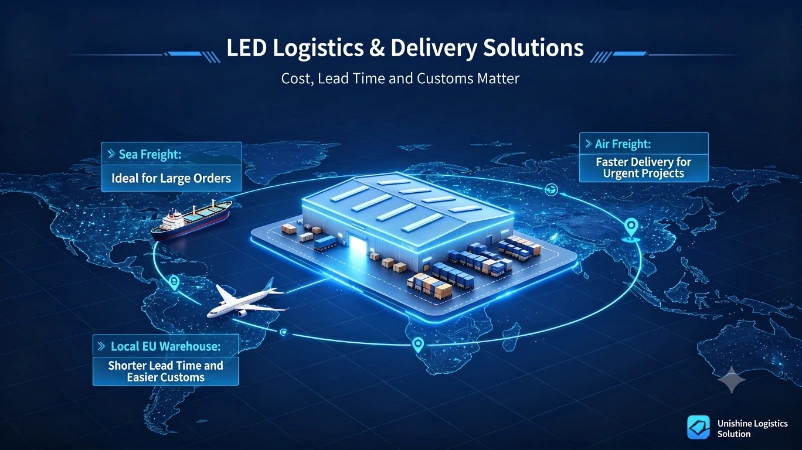
International buyers should not calculate LED display cost based only on ex-factory price.
The final landed cost may include:
- Sea freight
- Air freight
- Customs duties
- Import taxes
- Port handling fees
- Insurance
- Truck delivery
- Local warehousing
- Installation logistics
- Spare-part delivery
Sea Freight
Sea freight is usually the most economical option for large-volume LED display orders.
It is suitable for fixed installations, wholesale inventory, and projects with enough lead time. However, it may require four to six weeks or more depending on route, customs, and port conditions.
Air Freight
Air freight is faster and suitable for urgent projects, replacement modules, stage rental additions, or time-sensitive orders.
The cost is higher, but it can protect event deadlines when timing matters more than freight savings.
European Warehouse and Local Delivery
For European buyers, local stock can reduce delivery uncertainty.
Shipping available products from a Netherlands warehouse can help shorten delivery time, reduce customs complexity inside the EU, lower hidden logistics risk, and support urgent project schedules.
For system integrators, rental companies, and event contractors working under tight deadlines, faster local delivery can be just as important as the product price itself.
Working on a Tight European LED Display Deadline?
Check product availability, delivery options, and local support for your LED display order. Faster delivery can help protect your installation schedule and reduce unexpected logistics risk.
- Shorter delivery time within Europe
- Reduced customs complexity
- Faster spare parts response
- Better support for urgent projects
How to Choose the Right LED Display Based on Budget
A smart budget does not mean choosing the cheapest screen. It means matching the right specification to the real application.
For Churches and Houses of Worship
Avoid overspending on ultra-fine pitch if the congregation views the screen from a long distance.
A reliable P2.5 or P3 indoor front-maintenance display may deliver strong clarity while keeping the project budget efficient.
Prioritize brightness, contrast, silent operation, front maintenance, and long-term stability.
For Outdoor Advertising and 3D Billboards
Do not reduce cost by choosing low-brightness panels or weak cabinets.
Outdoor screens need strong sunlight visibility, weather resistance, thermal stability, and structural safety.
For 3D billboard projects, content production, viewing angle, screen shape, and brightness are also part of the ROI model.
For Stage Rental and Live Events
Focus on setup speed, refresh rate, cabinet strength, weight, and maintenance efficiency.
The screen must survive transportation, repeated handling, and fast installation cycles.
Low-cost rental panels that fail during a show can cause far greater losses than the money saved in procurement.
For Retail and Transparent Displays
Evaluate the value of attention, not only the price per square meter.
Transparent LED displays can preserve natural light, support futuristic window design, and create high-impact visual experiences that traditional posters or solid screens cannot deliver.
Recommended LED Display Products by Price Scenario
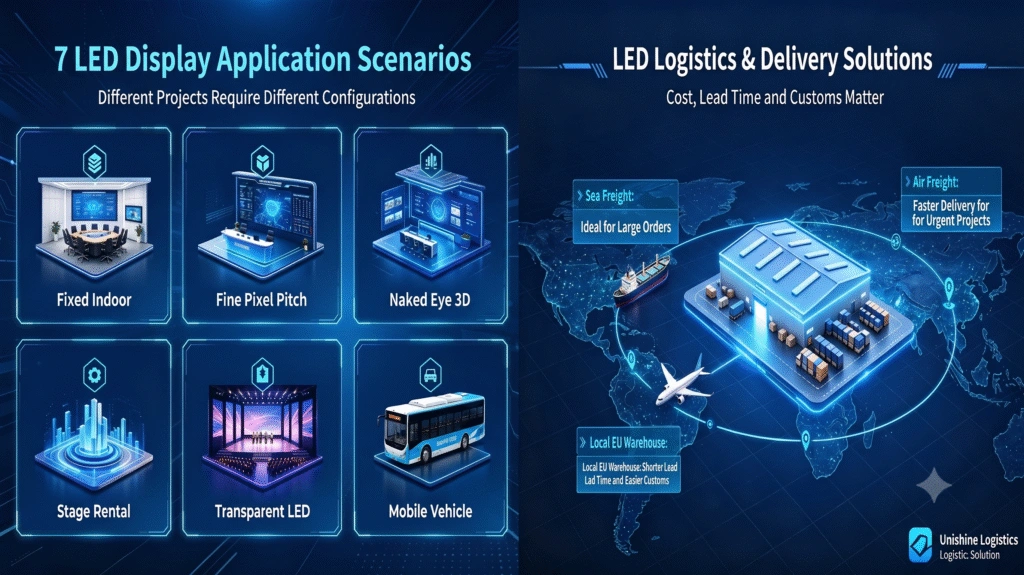
Different LED display budgets require different product configurations. Use the product directions below to compare suitable Unishine solutions by application, environment, and cost structure.
Indoor Fixed Display Budget
Best for churches, conference rooms, retail interiors, auditoriums, and corporate display walls.
Premium Fine-Pitch Display Budget
Best for executive rooms, command centers, high-end indoor spaces, and close-viewing applications.
Outdoor Advertising Budget
Best for billboards, stadium displays, outdoor advertising screens, and high-brightness media assets.
Rental and Stage Display Budget
Best for concerts, touring events, trade shows, stage backdrops, and temporary installations.
Transparent Display Budget
Best for retail windows, glass walls, shopping malls, luxury stores, and architectural display projects.
Creative Display Budget
Best for immersive spaces, brand activations, exhibitions, special-shaped installations, and digital art projects.
Explore LED Display Price by Application
For deeper planning, buyers can review dedicated price guides by application type:
These supporting topics help buyers move from a general LED display price estimate to a more accurate project budget.
LED Display Pricing FAQ
Why is the LED display price from China so different?
The price difference usually comes from component grading, production depth, cabinet precision, quality control, and after-sales support.
Premium factories use automated SMT production, higher-grade LED lamps, stable power systems, reliable driver ICs, and strict aging tests. Lower-cost suppliers may reduce price by using lower-grade components, thinner cabinets, weaker power supplies, or limited testing.
How much does an indoor LED screen cost?
Indoor LED screen price varies based on pixel pitch, screen size, cabinet structure, contrast, maintenance method, and application.
A church, conference room, or retail display may require very different specifications even if the screen size is similar.
How much does an outdoor LED display cost?
Outdoor LED display price is usually higher than indoor display price because it requires high brightness, waterproofing, heat dissipation, stronger cabinets, and environmental protection.
The final price depends on sunlight exposure, screen height, wind-load requirements, pixel pitch, and installation structure.
Why does transparent LED screen price cost more?
Transparent LED displays require special structures that balance transparency, brightness, weight, cooling, and installation flexibility.
They are more complex than standard solid-cabinet screens, but they can create stronger visual impact for retail, glass façades, and luxury commercial spaces.
What affects rental LED screen cost?
Rental LED screen cost depends on pixel pitch, event duration, screen size, installation complexity, technical support, video processing, logistics, and spare parts.
Curved screens, hanging screens, outdoor events, and multi-day productions usually require more engineering support.
Is the cheapest LED display a good choice?
Not usually.
A cheap screen may lower the upfront cost, but it can increase long-term risk through dead pixels, unstable brightness, flickering, high power consumption, difficult maintenance, and shorter lifespan.
A reliable LED display should be evaluated based on lifetime cost and ROI.
How can I get an accurate LED display quote?
Prepare your project details before requesting a quote.
Useful information includes:
- Screen size
- Indoor or outdoor use
- Viewing distance
- Installation location
- Pixel pitch preference
- Brightness requirement
- Content type
- Fixed or rental use
- Project deadline
- Destination country
- Installation method
- Required support and warranty
The more complete your project information is, the more accurate your LED display quotation will be.
Get a Professional LED Display Cost Analysis
Do not base your project budget on a generic online price list.
Every LED display project has different viewing distances, brightness requirements, structural conditions, content needs, installation timelines, and logistics costs.
Whether you are planning a church video wall, corporate conference display, transparent retail screen, outdoor billboard, 3D landmark display, or stage rental system, Unishine can help you calculate a more accurate total cost and recommend the right product configuration.
Submit your project dimensions, viewing distance, installation environment, destination country, and deadline today.
Our engineering team will provide a customized LED display cost analysis, layout recommendation, and professional quotation within 24 hours.
Get Your Professional LED Display Cost Analysis Within 24 Hours
Submit your project dimensions, viewing distance, installation environment, destination country, and deadline. Unishine’s engineering team will recommend the right LED display configuration and provide a customized quotation.
Get My LED Display Quote