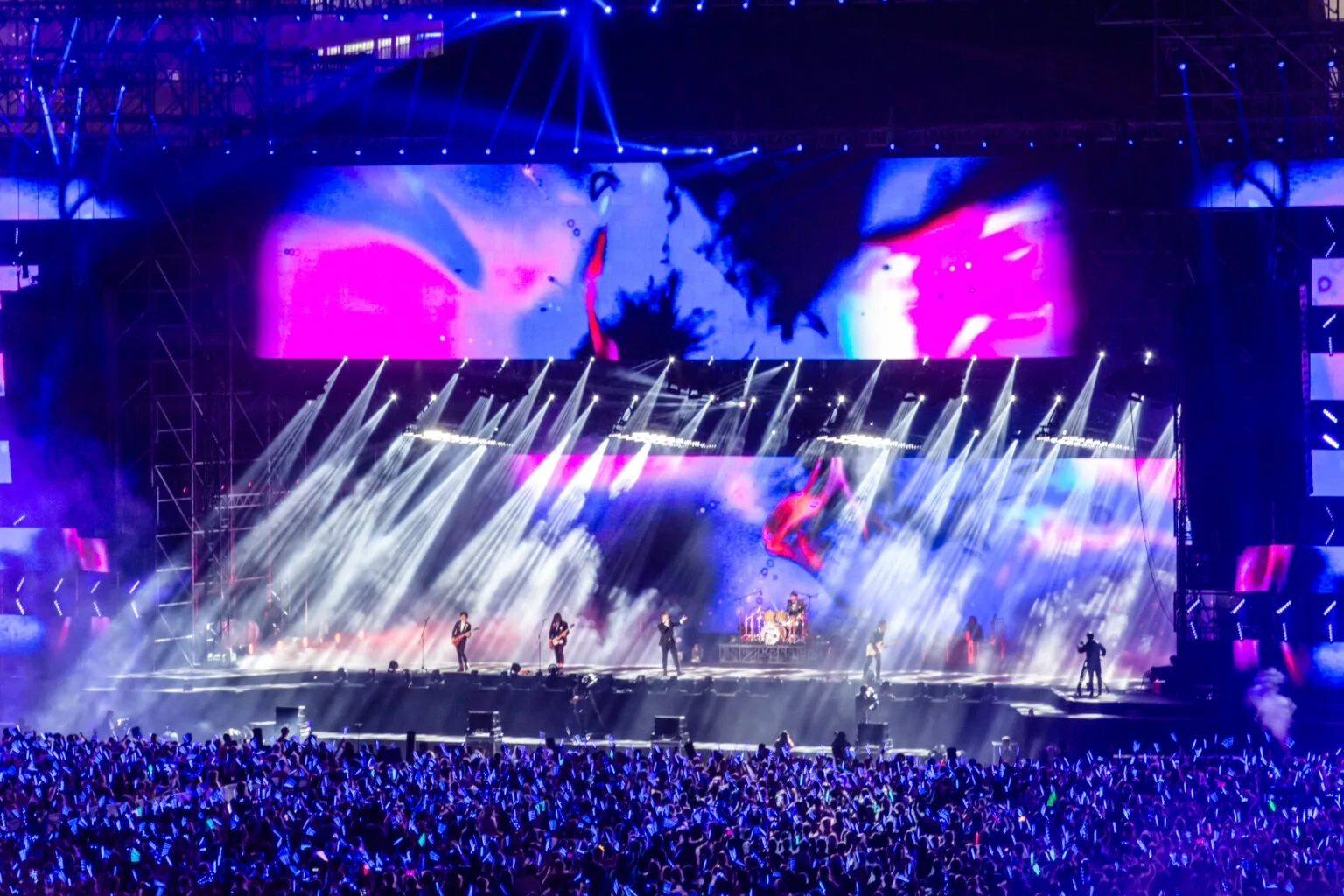
The international market for led video wall panels is notoriously non-transparent. When procuring digital infrastructure for your staging fleet, corporate integration, or outdoor advertising network, you will frequently receive quotes for the same square-meter volume that vary by as much as 300%. This dramatic price discrepancy is rarely a reflection of genuine tier-1 material superiority; instead, it is often a byproduct of compounding trading middleman markups and the opaque substitution of underlying components.
For professional system integrators and AV contractors, procuring an LED display shouldn’t feel like a high-stakes guessing game. To optimize your return on investment (ROI) and protect your client relationships, you must look past the superficial surface gloss of a quote and evaluate the actual, long-term Total Cost of Ownership (TCO).
This comprehensive guide pulls back the curtain on the LED supply chain, providing you with a rigorous bill-of-materials (BOM) framework to assess vendor quotes and evaluate what you are actually paying for.
What Drives the Cost of an LED Video Wall Panel?
To understand why prices diverge so aggressively, we must look at the specific engineering layers inside the cabinet. A stable, broadcast-grade panel relies on four fundamental component pillars that dictate both the upfront capital expenditure (CAPEX) and the multi-year operational cost:
1.The LED Encapsulation & Chip Gold Wire: The choice of the diode manufacturer determines color uniformity over time. Premium options use gold-wire packaging from proven suppliers like Nationstar or Kinglight, which resist thermal stress and avoid premature pixel dead-spots. Lower-tier suppliers often substitute cheaper copper-wire modules that degrade quickly under continuous operation.
2.The Driver IC & Refresh Capabilities: The integrated circuit (IC) is the brain that drives the gray-scale depth and pulse-width modulation. Utilizing constant-current drive chips from tier-1 manufacturers like Macroblock (MBI) or ICN guarantees high-definition visual output free from scan lines.
3.Cabinet Material Metrics: Standard, cheap legacy designs still rely on heavy sheet-metal or low-grade iron frames that warp under environmental stress, destroying seamless tile alignment. Professional engineering mandates high-strength, precision die-casting aluminum or magnesium alloys to ensure sub-millimeter gap alignment.
4.Power Supply Efficiency: Standard 5V high-power power setups convert a vast amount of excess energy directly into destructive heat. More practical, advanced configurations leverage split-voltage or dual-voltage (4.2V/3.2V) architectures to slash heat generation and power draw.
The Hidden Costs Reveal: Where First-Time Buyers Underestimate
The cheapest upfront quote rarely delivers the lowest long-term cost. In our engineering audits across international installations, first-time B2B buyers consistently underestimate three critical hidden operational variables:
The CAPEX vs. TCO Trap Buying an LED display based solely on the lowest bottom-line price is often the most expensive mistake a procurement manager can make. Substandard driver chips or poor heat dissipation components lead to rampant pixel failure within 18 months, requiring continuous on-site component swapping that completely dissolves your initial upfront savings.
Thermal Overoverhead and HVAC Costs: High-power consumption panels act as industrial space heaters. If your indoor panels run hot, your facility’s HVAC cooling system must work twice as hard, creating a massive secondary electricity bill that compounds month after month.
The Labor Overhead of Rear-Access Failures: If you install a wall-mounted indoor panel using a legacy rear-maintenance cabinet design, a single module failure requires unmounting the entire structural stack. Front-service magnetic tile architectures completely eliminate this operational headache.
Staging Alignment Failures: In event rental fleets, time is literally money. Cheap structural locks that require complex manual tweaking slow down setup times, increasing your on-site event crew labor costs for every single rental cycle.
Strategic Alignment: Matching Your Project to the Right Display Architecture
Choosing the correct display setup is a exercise in balancing environment requirements against your long-term break-even goals. Let’s deconstruct three dominant strategic pathways based on active direct-factory engineering solutions:
1. Premium Corporate Lobbies and Mission-Critical Control Centers
For high-end commercial spaces, seamless visual depth and physical durability are non-negotiable. Traditional surface-mounted diode (SMD) tech is vulnerable to impact at low pixel pitches.
[Traditional SMD Wall] —> High Risk of Pixel Damage from Physical Impact
[Inverted COB Wall] —> Impact Resistant + Scrubbable Surface + Lower Thermal Power
If your project requires ultra-high-definition tracking, specify panels utilizing all-inverted chip packaging (COB technology). Direct factory designs, such as the Unishine U-Panel Series, place the driving chip directly on the back of the PCB board while utilizing advanced surface treatment technology. This delivers a 10,000:1 contrast ratio and a rugged, scrubbable lamp surface that ensures a highly predictable digital asset lifespan.
2. Premium Indoor Spaces and Wall-Mounted Commerce
When floor space is constrained and rapid deployment is critical, legacy bulky cabinets fail to fit the aesthetic profile. Modern indoor commercial architectures require fully front-serviceable setups.
3. High-Turnover Stage Production and Staging Rental Fleets
For production houses and staging managers, the display panel is your revenue-generating infrastructure. Your gear must withstand constant packing, transport, and rapid teardowns across hundreds of rental cycles.
For broadcast-heavy events, ensure your panels run constant-current driver architectures supporting up to 7680Hz high refresh captures. This completely eliminates scanning artifacts and ghost lines under a professional camera’s 1/3000S shutter speed.
Procurement Sourcing Checklist: 4 Steps to Verify Supplier Integrity
Before you authorize a wire transfer for your next digital screen project, run your prospective supplier through this strict qualification framework:
Demand a Complete BOM Transparency Sheet: Require the supplier to state the exact brand and wire-bonding material of the LED chip, the exact model of the driving IC, and the brand of the power supply. If they provide a generic spec sheet, treat it as a high-risk indicator.
Verify SMT Line Certifications: Ensure your manufacturing partner has verified international compliance marks including CE, FCC, RoHS, and UL listed components to guarantee site safety.
Confirm Spare Parts Inventory Strategy: Standard, reliable procurement requires an included 3% to 5% allotment of identical batch modules, driver ICs, and mask parts to account for potential long-term pixel replacement without color calibration mismatch.
Audit Logistics and Proximity Warehousing: Ask if your manufacturer maintains local stock hubs or local tech support divisions within your major regional market to mitigate transport latency and simplify immediate parts dispatch.
Technical Sourcing Conclusion
By partnering directly with an agile, transparent manufacturer, you can bypass the traditional 30% middleman trading markup. This ensures that every dollar of your capital allocation is spent on superior, verified internal components rather than inflated brand marketing.
Tell us your unique project metrics. Contact Unishine’s direct engineering desk today to receive a detailed project quote, an itemized structural blueprint, and full BOM data sheet transparency.