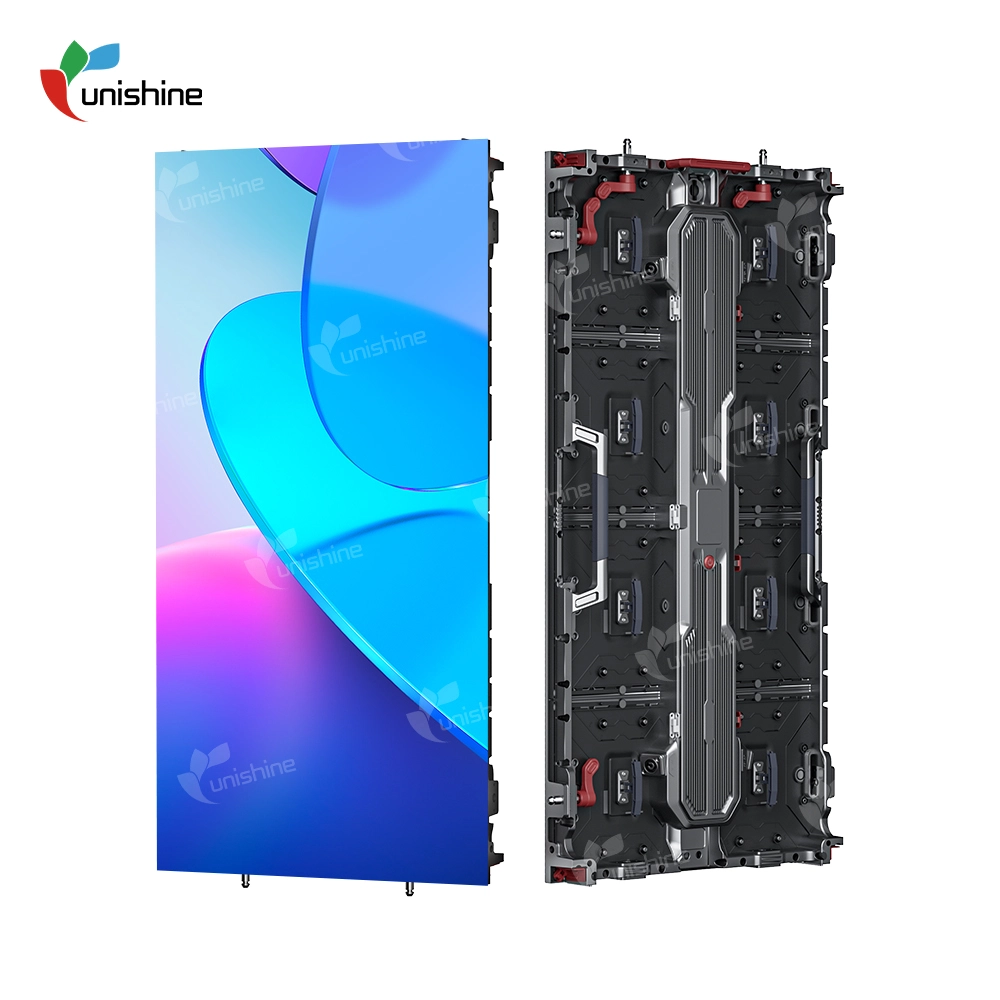
Stage LED displays are high-resolution digital backdrops that are typically mounted behind a performance space. It can display videos, real-time graphics or images.
U-Rent
P2.6/2.97/3.91 Stage Rental LED Screen 1.High precision cast aluminum cabinet; 2.500*1000 ≤11.5KG/cabinet, with a thickness of only 76mm; 3.Optional curved lock, capable of splicing large screens with - 10 to 15 ° camber, 90°corner, etc; 4.Optional magnetic module can achieve complete assembly, disassembly and maintenance of the module and power supply front the front. 5.Work
1.10+Years Experience: UnishineLED is a well-known LED display supplier with more than 10years of industry experience, specializing in rental LED displays, stadium LED screens, transparent LED displays, LED posters and more.
2.Industrial Certifications: All LED displays meet global quality standards and are CE, EMC, LVD, FCC, UL, ISO14001, ISO9001, ISO45001, CCC and RoHS certified.
3.8000+ Factory Area: Our factory covers an area of more than 8000 square meters and is equipped with advanced machines and equipment and strict quality control procedures to ensure the superior quality of our products.
4.Professional Team: Our company has a professional technical team, sales team and after-sales team, which can solve all the problems in the process of purchase, installation and maintenance.
Application
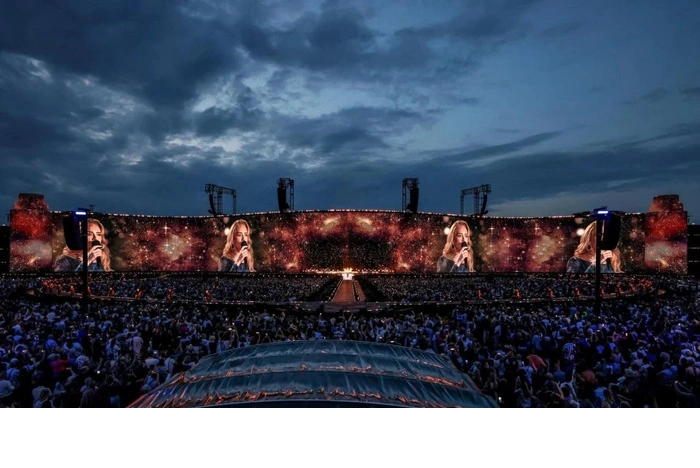
Concert and Music Festivals
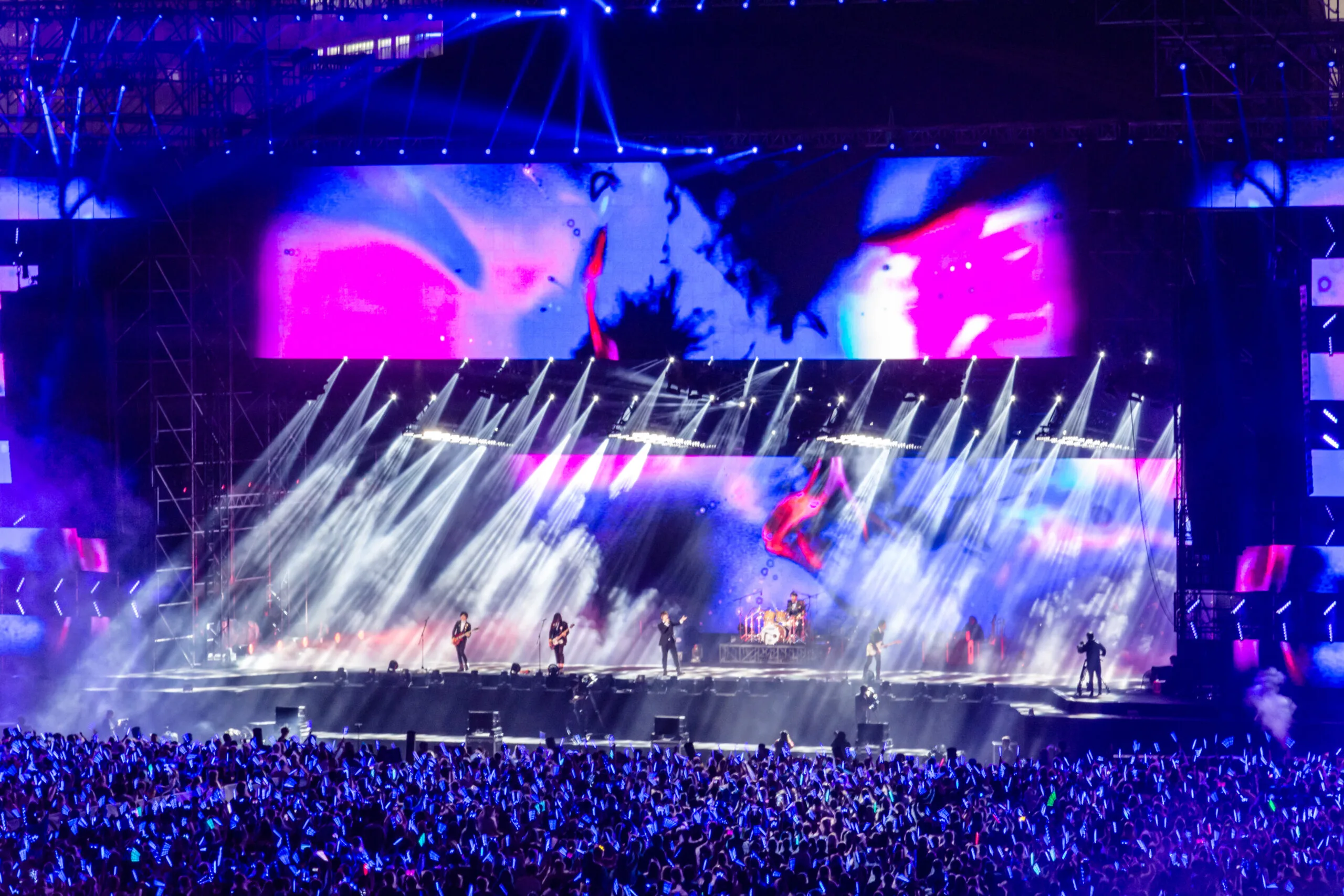
Modern concerts and festivals now rely on stage LED screens as essential storytelling platforms. Take Taylor Swift’s ‘Eras Tour’ or Beyoncé’s ‘Renaissance World Tour’ — their massive LED installations don’t just display visuals, but create living environments where imagery dances in perfect harmony with every musical note.
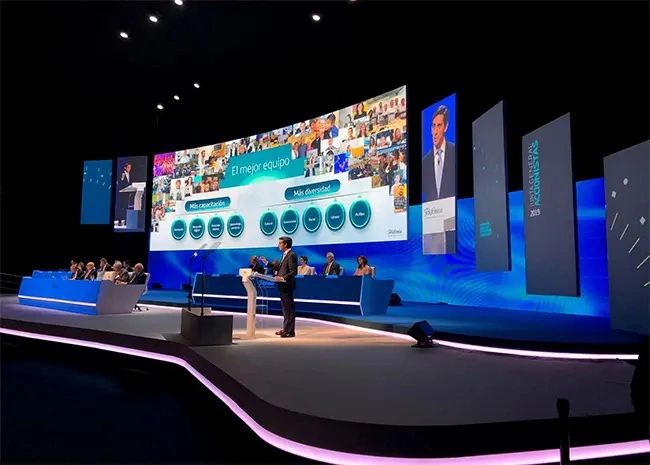
Corporate Events(Product Launches)
Corporate events increasingly utilize LED walls as visual centerpieces for product launches, trade shows, and conferences. During product unveilings, large-format high-resolution LED displays enable companies to showcase product features through ultra-HD videos, immersive 3D animations, and multi-angle live feeds. This ensures even complex technical specifications – such as display parameters or performance benchmarks – are communicated with absolute clarity to the audience.
Academic Events
Graduation ceremonies and academic events often use LED screens to enhance the student and family experience. Large LED walls on or behind the stage can display each graduate’s name, photo, or background video, ensuring that the honorees are clearly visible even to guests from a distance. Crucially, LEDs stay bright in daylight, so they can be used for outdoor ceremonies even in full sunlight.
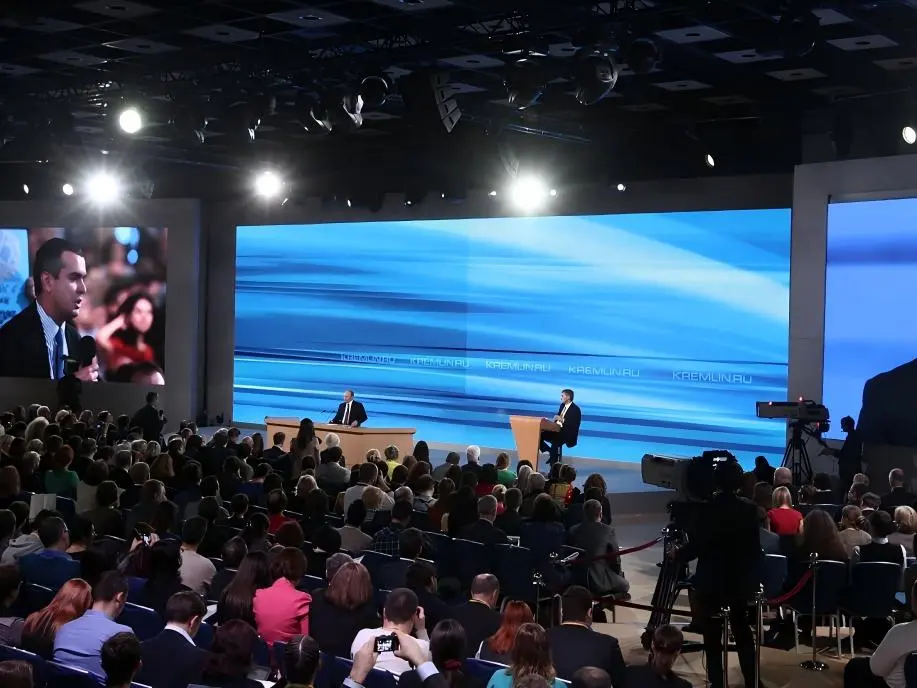
Virtual Productions
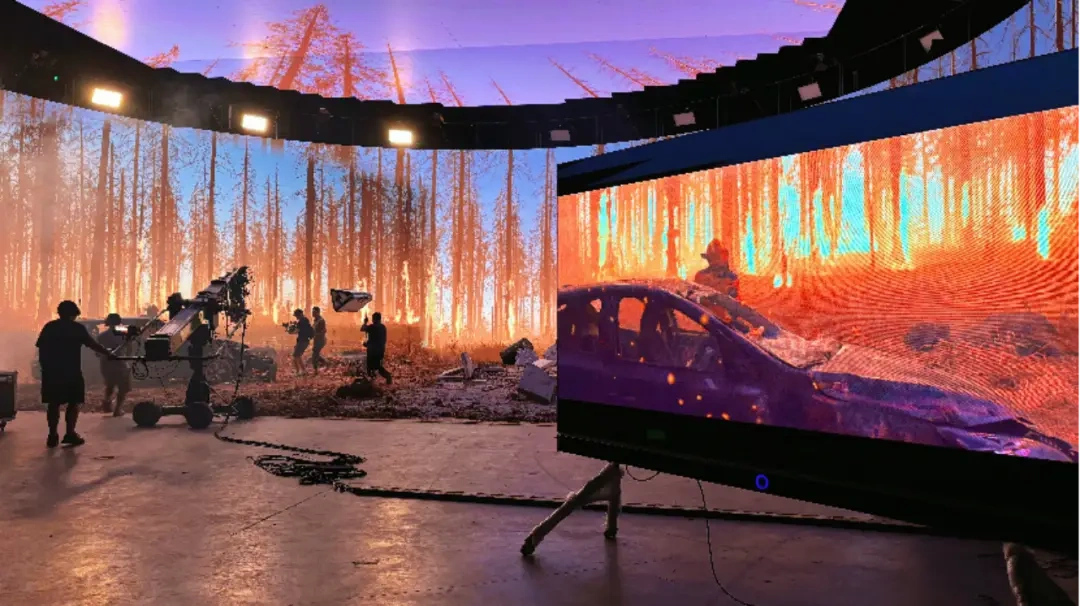
In television studios and virtual productions, LED video walls have transformed set design. News programs, talk shows and radio studios are now using large LED backdrops and even LED floors to create realistic or dreamy on-air environments. These walls can instantly switch scenes (showing city skylines, weather maps, or custom graphics) without moving any of the physical set.
Stage LED Display: Latest Price and Solution in 2025
The stage LED displays possess the power to transform any event, creating immersive environments, amplifying audience engagement, and delivering unforgettable visual experiences. Choosing the most appropriate stage LED screen is a precondition for holding a perfect event.
This comprehensive guide aims to demystify the process of choosing the ideal stage LED display for events in 2025. It will serve as an authoritative resource for event planners, production managers, and technical directors navigating the complexities of LED screen technology.
Table of Contents
1. What is A Stage LED Display?
A stage LED display is a high-resolution digital backdrop system, typically mounted at the rear of a performance area. It dynamically renders videos, images, or real-time graphics, serving as a fully customizable visual display tool.
As it is continuously updating the way we display contents, stage LED display will be an ideal rendering tool for theater production, concert, brand events, or other large-scale events. With vibrant colors and high-resolution detail displays, stage LED screens change the stage into a stunning spectacle and bring an excellent stage performance to audiences.
2. What can Stage LED Screens Bring to You?
Stage LED screens deliver immersive, high-definition visuals that outperform projectors and engage viewers through interactive videos and live feeds. The modular design allows for flexible and rapid installations at any stage.
2.1 Superior Visual Quality
Stage LED display delivers brightness levels of 3,000-7,000 nits, ensuring high visibility even in direct sunlight than conventional projectors. Its fine pixel pitch (P1.2-P10 mm) delivers crisp, HD images at any stage size for improved picture clarity and color fidelity.
2.2 Enhanced Audience Engagement
By broadcasting live camera feeds, animations and social media walls, stage LED walls promote real-time guest interaction and keep viewers connected to every moment. Interactive features such as synchronized graphic cues and dynamic overlays enhance immersion and amplify emotional impact.
2.3 Easy to Setup
Lightweight die-cast aluminum panels and quick-release mechanisms reduce setup and teardown times to mere minutes, optimizing labor and schedules. Integrated power/data connectors simplify cabling, while front- or rear-access maintenance minimizes downtime during multi-day tours.
2.4 Energy Efficiency and Sustainability
Stage LED panels consume significantly less power per lumen than lamp-based projectors, reducing energy costs and environmental impact. Rental solutions translate capital expenditures into predictable operating costs, while purchase options provide long-term value for venues hosting frequent events.
2.5 Customized Shapes and Sizes
Ultra-thin modular design support curved, trapezoidal and mesh configurations, enabling designers to create customized stage backdrops, domes or hanging curtains. Custom shapes and sizes integrate seamlessly with set and lighting fixtures, enhancing stage performance and audience engagement.
3. LED Stage Screen VS Traditional LED Display
The traditional LED displays are usually built for fixed installations, prioritizing cost-efficiency and durability for long-term use. Stage LED walls, by contrast, focus on special design for dynamic event use, lightweight modules for quick installations, and customized shapes for stage design.
3.1 Flexible Applications
Stage LED display screens are designed as backdrops for live events (concerts, theater productions, and corporate performances) where content changes frequently and setup/tear-down speed is critical.
In contrast, traditional LED displays are primarily used for permanent signage (billboards, message boards) or fixed installations where the content is relatively static and rarely moves.
3.2 Lightweight Module & Fast Mounting
Stage LED panels utilize lightweight die-cast aluminum cabinets with tool-less quick-release locks and integrated power/data connectors, allowing rapid assembly into curved or angled stage layouts.
Traditional LED modules, however, typically feature heavier steel or standard plastic enclosures with fixed mounting brackets, prioritizing long-term stability over portability.
3.3 Fine Pixel Pitch Requirement
Due to the proximity of stage audiences and broadcast cameras, stage LED displays typically feature a fine pixel pitch (≤P4 mm, usually P2-P4) to guarantee image clarity. In contrast, traditional outdoor/indoor signage employs a wider pitch (P5-P16 mm), optimizing cost for static content viewed from a distance.
3.4 Higher Refresh Rates
Live events require high refresh rates (≥3,000 Hz) for stage LED screens to eliminate flicker from broadcast cameras and strobe lighting conditions. Traditional LED displays are focused on human viewing and typically run at a low refresh rate (≤1,200 Hz), which is adequate for static content but can flicker on cameras.
3.5 Creative Shape Customization
Stage LED walls include trapezoidal and flexible modules that interlock to form curved walls, rings, or custom shapes that are integral to immersive stage design and XR integration. But traditional LED display screens are typically rectangular and limited to flat mounting, which limits creative form factors.
4.Stage LED Display Price in 2025
In 2025, the price of stage LED display screens depends on brightness, IP ratings, pixel pitches, screen sizes, and services, etc. Keep on reading to get the detailed price information.
4.1 Factors Affecting the Price
1.Pixel Pitch: Fine pixel pitch needs more LED beads per square meter, which potentially increases manufacturing costs.
2.Screen Size: As display size increases, additional components are required: more LED modules, structural framing, and power distribution systems, resulting in higher prices.
3.Brightness: High brightness ensures visibility but requires higher-tech LED chips and driver ICs.
4.IP Rating: IP65/IP67-rated weatherproof cabinets for outdoor stages impose a 20–50% cost premium on base models due to enhanced seals, coatings, and gasket systems.
5.Cabinet Material: The die-cast aluminum frame is more lightweight, robust, and durable than plastic cabinets or steel cabinets. The price will be higher than another two materials.
6.Logistics: Long-distance shipping, customs, and bulky panel transport add to upfront expenses.
4.2 What is the Latest Price of Stage LED Walls?
4.2.1 Indoor Fine Pitch Panels
Standard P2.6-P3.8 skins cost $900 to $2,000 per square meter and feature SMD or COB packages and fine pixel pitches for near-vision staging applications.
Ultra-fine pitch (P1.5-P2.0) costs $1,500 to $2,500 per square meter because of the higher density of the LEDs and greater color uniformity for broadcast-quality events.
4.2.2 Outdoor and Waterproof Models
IP65 rated cabinets for P4.8-P10 outdoor skins start at approximately $600 to $1,200 per square meter, and ultra-bright (>5,000 nits) displays start at $1,800 per square meter.
Turnkey installations (including frames and control systems) can push the total system cost up to US$8,000 to US$50,000+, depending on size and complexity.
4.2.3 Savings for Fixed Installations Versus Rentals
Compared to long-term rentals for multiple events, purchasing a fixed LED wall can save between $50 and $250 per square meter!
5. How to Choose the Best LED Display for Stage?
Here we will give you step-by-step guide about how to choose the best LED display for stage. This guide can assist you in making an affordable choice for your events.
5.1 Define Your Event Requirements
(1) Venue Type: Determine whether the event will be held indoors or outdoors, as this affects both brightness requirements and weatherproofing considerations.
(2) Audience Size and Viewing Distance: Larger audiences and greater viewing distances may require larger screens and appropriate pixel pitch.
(3) Content Type: Determine whether to display live feeds, prerecorded video or motion graphics, as this will affect resolution and processing requirements.
5.2 Consider Budget and Total Cost
(1) Initial Investment: Balance between upfront costs and required quality/functionality.
(2) Operating Costs: Consider energy consumption, maintenance and potential repair costs.
(3) Rental vs Purchase: For infrequent events, rental may be more cost-effective than purchase.
5.3 Choosing the Right Pixel Pitch
(1) P1.5-P2.5 mm: Ideal for close-up indoor events such as conferences or theater performances.
(2) P3-P5 mm: For medium-sized venues or medium-distance viewers.
(3) P6 mm and Above: Best suited for large outdoor events where the viewer is farther away from the screen.
As a general rule, the minimum viewing distance (in meters) should roughly match the pixel pitch value (in millimeters).
5.4 Ensure Adequate Brightness and Contrast
(1) Indoor Activities: Stage LED screens with brightness levels around 800-1200 nits are usually sufficient.
(2) Outdoors: Choose a monitor with a brightness level of over 5,000 nits to combat sun glare.
(3) High Contrast Ratio: Enhances image depth and color vibrancy, which is critical for dynamic content.
(2) IP Rating: For outdoor use, make sure the screen has an IP65 or higher rating for water and dust resistance.
(3) Maintenance Channels: Front or rear cabinets can simplify maintenance and reduce downtime.
5.6 Evaluate Control Systems and Compatibility
(1) Video Processor: Ensure compatibility with your content source and support for the desired resolution.
(2) Synchronization: For multi-screen setups, verify that the control system can seamlessly synchronize content.
(3) User Interface: A user-friendly interface can simplify operations during live events.
5.7 Consult with LED Display Specialists
Consult experienced LED display specialists to evaluate your specific requirements and propose tailored solutions. Their expertise mitigates common risks and guarantees successful project deployment.
5.8 Place the Order
After confirming the stage LED display screen solution with your LED screen manufacturer, you can place the order and make any required payment. In addition, you should make sure all details of this order, such as delivery deadlines, after-sale services, installations, and maintenance.
6. How to Calculate the Stage LED Wall Size?
Selecting the appropriate stage LED wall size is critical for maximizing visibility and audience engagement. The calculation requires three key parameters: viewing distance, pixel pitch, and resolution, which collectively determine display clarity and coverage.
Step 1: Determine the Viewing Distance
The distance between the screen and the furthest viewer determines the required pixel density.
Formulas:
Minimum Viewing Distance (m) = Pixel Pitch (mm) x 8/1000
Example: For a P4 (4 mm pixel pitch) screen, the nearest viewer should be at least: 4 x 8/1000 = 3.2m.
Use pixel pitch and resolution to determine dimensions:
Width (m)=Width (pixels)×Pixel Pitch (mm)/1000
Height (m)= Height (pixels)×Pixel Pitch (mm)/1000
Step 5: Adjust for Aspect Ratio
Match the screen’s aspect ratio to your content (e.g., 16:9, 4:3, or custom):
Formula:
Height=Width×9/16(for 16:9)
Avoid stretching or cropping content by confirming ratios early.
The ideal LED wall achieves a balance between technical specifications (e.g., pixel pitch, resolution) and practical considerations (e.g., stage dimensions, budget). Always prioritize the audience’s viewing experience—crisp visuals at an appropriate distance are critical for impact.
7. What is the Best Pixel Pitch and Resolution for Stage LED Screens?
The visual fidelity of a stage LED display is largely determined by pixel pitch and resolution, which play a crucial role in delivering optimal clarity and vivid visuals to audiences.
7.1 For Small Indoor Venues
For indoor environments where the viewer is usually seated relatively close to the stage, it is often recommended to choose stage LED panels with finer pixel pitches, typically ranging from 1.2 mm to 2.5 mm. These finer tones, combined with higher screen resolutions such as Full HD (1920×1080) or even 2K (2560×1440), ensure superior image clarity and detail, which is critical for delivering impactful visuals to close-up audiences!
7.2 For Medium-Sized Venues
For medium-sized venues where viewing distances are a little larger but still in the medium range, the optimal pixel pitch for a stage LED display screen should be between 2.5 mm and 3.9 mm. Full HD or 2K resolutions are often well suited for these medium-sized scenarios, providing a sharp and detailed image for audiences.
7.3 For Large Outdoor Venues
In large outdoor venues where most of the audience is far away from the stage, it is often more practical to choose a stage LED display with a larger pixel pitch, usually ranging from 3.9 mm to 6mm or more.
HD (1280×720) or Full HD (1920×1080) resolutions are often sufficient for these applications, resulting in clear and impactful visuals seen from a distance, and the increased pixel pitch helps to reduce the overall cost of very large stage LED walls.
Choosing the ‘optimal’ pixel pitch for a stage LED screen is not a universal decision for all situations. Instead, it depends heavily on the specific context of the event, the characteristics of the venue, and the expected viewing distance of the audience. Therefore, a nuanced approach that carefully considers the specific requirements of each event is critical to achieving optimal visualization.
8. FAQs
1. What is the power consumption of stage LED panels?
The power consumption of a stage LED display screen depends on its size and pixel pitch. Typically, each LED panel consumes a certain amount of power, estimated at 100 watts per panel.
2. How long do LED stage screens last?
High-quality stage LED walls last 50,000–100,000 hours. Regular maintenance (cleaning, avoiding overheating) extends lifespan.
3. What is the best waterproof level and brightness for outdoor stages?
The IP65/IP67 waterproof level of stage LED displays with ≥5,000 nits brightness is the best choice for outdoor stages.
4.4K resolution is necessary for a stage LED display screen?
Preferred 4K:
*Audience <5 meters from the screen (such as T-stage, conference)
*Need to cooperate with AR/VR and other ultra-high definition interactive technology
No need to force a 4K situation:
*Traditional singing and dancing performances, live broadcast of sports events
*Limited budget or signal chain can not support 4K transmission
5. Which is better for live stage broadcasting, HDMl or SDl signal?
Large Stage:
Preferred SDI: More reliable for long distance transmission (e.g. main screen to console) and complex electromagnetic environment (e.g. lighting interference).
Small Events:
Optional HDMI: If the equipment distance is <15 meters and the budget is limited, HDMI 2.1 can meet the 4K demand.
9. Conclusion
In 2025, the stage LED display market is poised to maintain its trajectory of continuous innovation and technological advancement. Partnering with a reliable LED screen supplier ensures access to professional-grade stage display solutions.
We encourage you to explore our comprehensive range of advanced stage LED display solutions that are designed to enhance your event experience in 2025 and beyond.