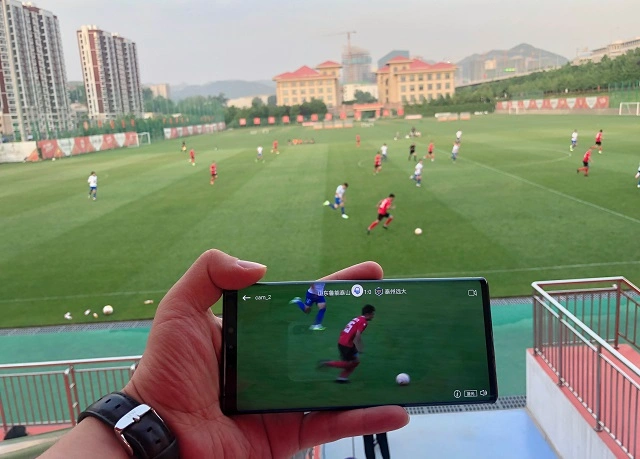
Stadium LED display is an essential tool for sports stadiums to showcase real-time replays, upgrade statistics, and display brand advertisements, effectively enhancing audience immersion.
U-Fit
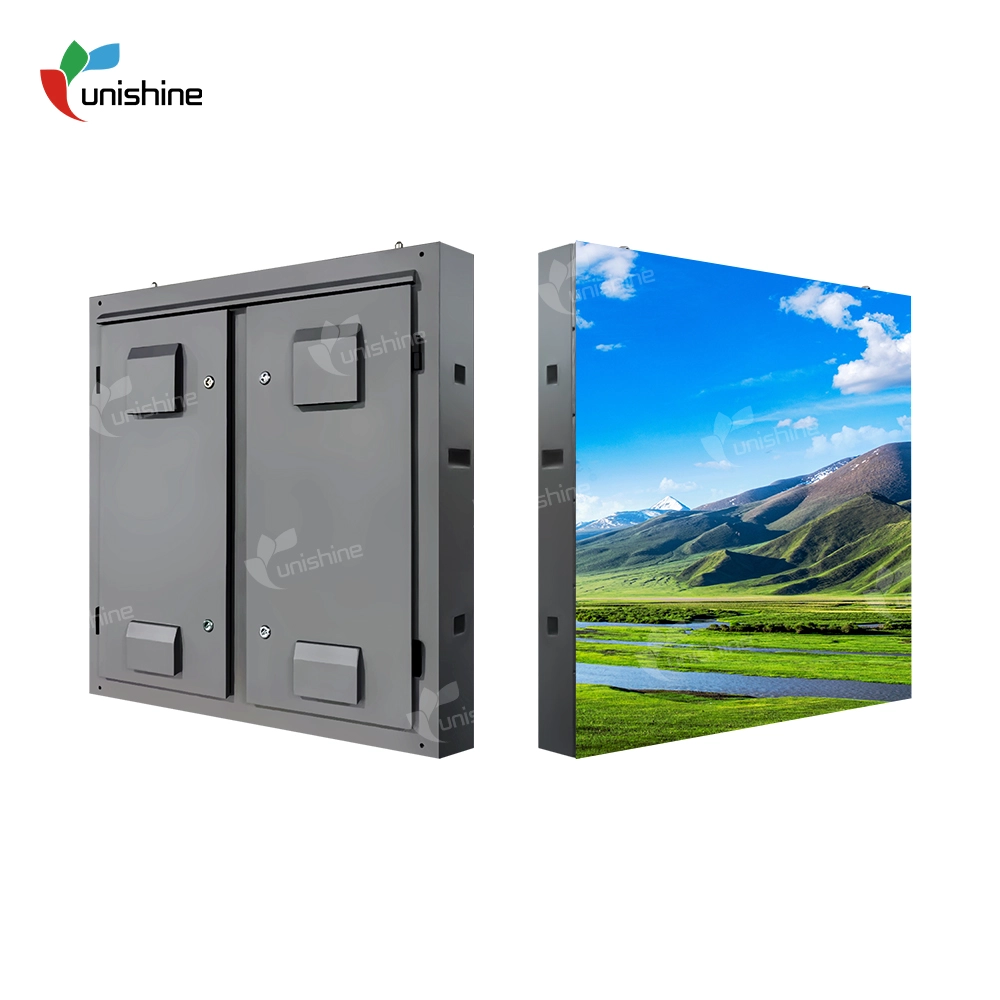
Outdoor HD LED Display 1.Adopting a new structural design, lightweight, beautiful and no deformation, easy and flat assemble; 2.Brightness 6000CD/㎡, the picture is still clear under strong light; 3.The cabinet is adapted to P2.5~P16 modules, no need to change the cabinet for upgrade, saving manpower and cabinet costs; 4.IP65 protection grade; good sealing, cost-effective; 5.Integrally
1. 10+ Years Experience: UnishineLED is a well-known LED display supplier with more than 10 years of industry experience, specializing in rental LED displays, stadium LED screens, transparent LED displays, LED posters and more.
2. Industrial Certifications: All LED displays meet global quality standards and are CE, EMC, LVD, FCC, UL, ISO14001, ISO9001, ISO45001, CCC and RoHS certified.
3. 8000+ Factory Area: Our factory covers an area of more than 8000 square meters and is equipped with advanced machines and equipment and strict quality control procedures to ensure the superior quality of our products.
4.Professional Team: Our company has a professional technical team, sales team and after-sales team, which can solve all the problems in the process of purchase, installation and maintenance.
Application
LED Scoreboard
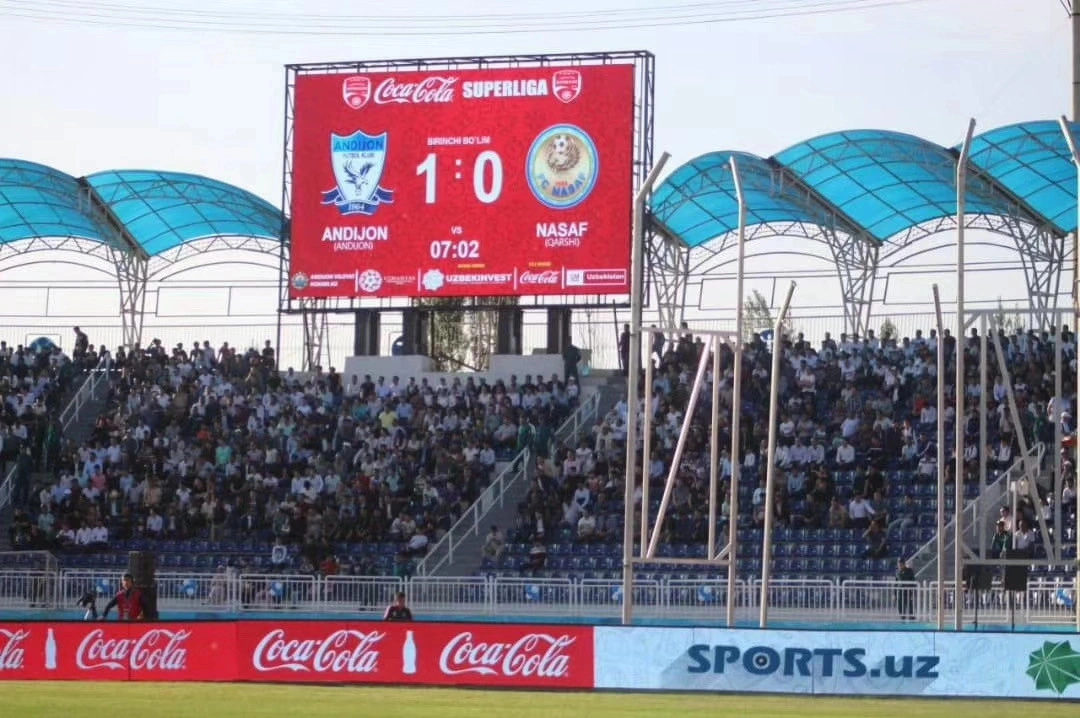
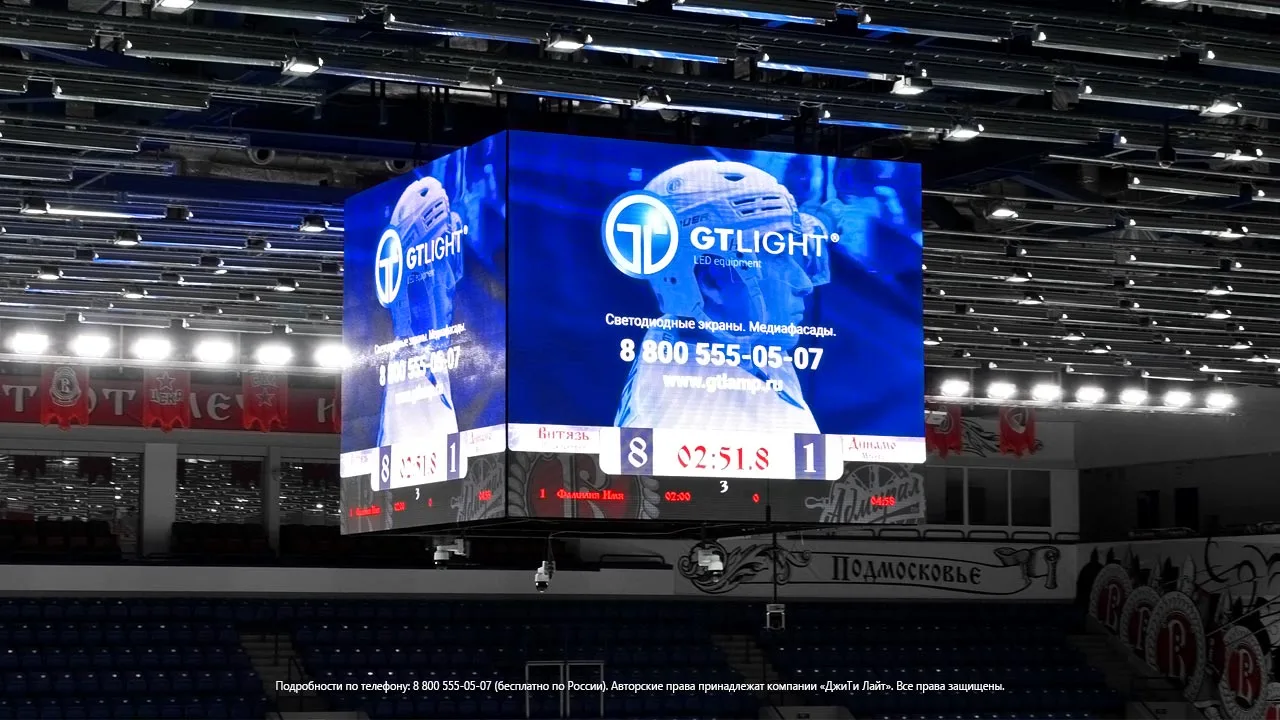
LED scoreboards have evolved from simply displaying scores to becoming central hubs for both information and entertainment, playing a pivotal role in shaping the overall fan experience. Beyond presenting basic scoring updates, these screens now offer instant replays, detailed player statistics, and even interactive features designed to engage the fans.
LED Ribbon Display
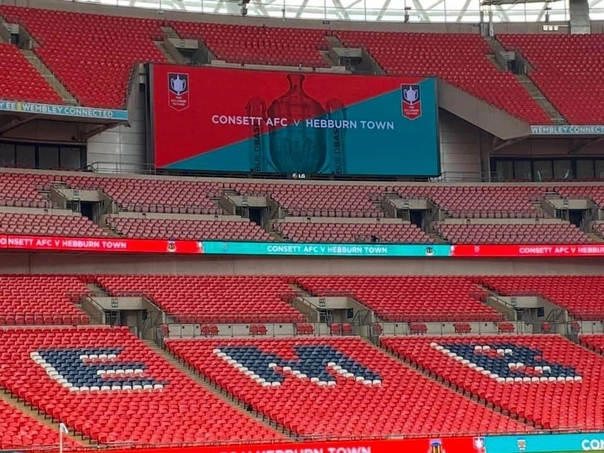
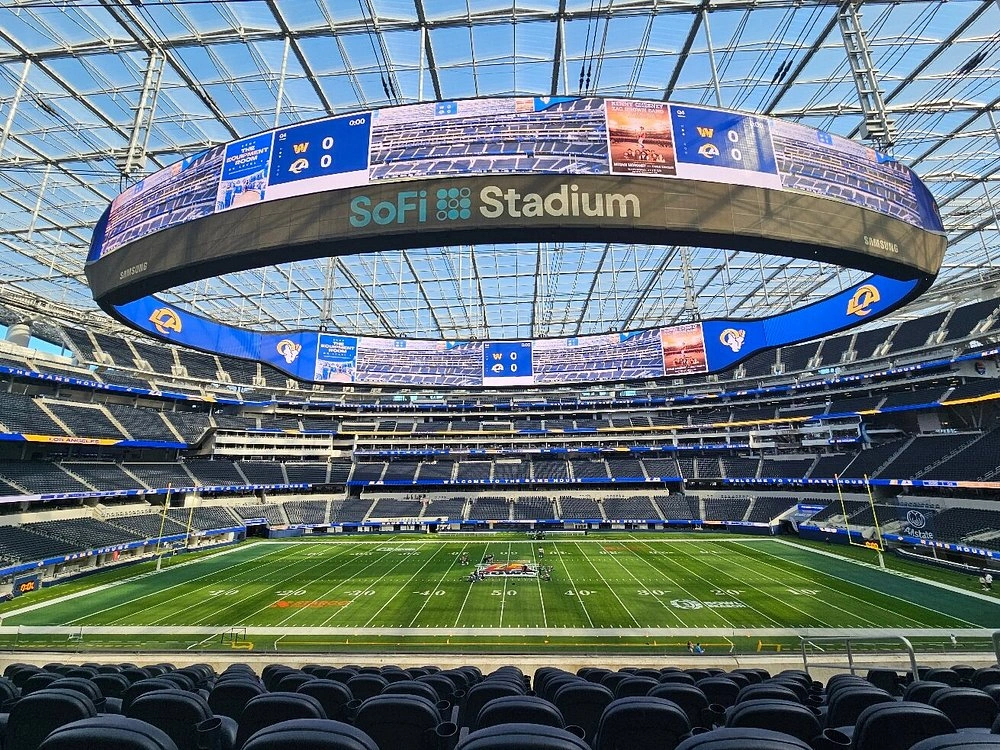
Ribbon displays are versatile in their design and can be curved or mounted in a 360-degree configuration, allowing them to seamlessly integrate with the architectural lines of the venue. They serve multiple purposes, including displaying advertisements from sponsors, running engaging animations, showcasing promotional content, and providing real-time scores and other vital statistics.
Concourse Screens
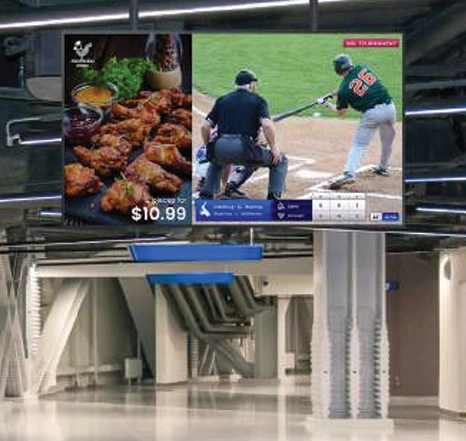
Located in sidewalks and gathering areas of the stadium, concourse screens play a critical role in enhancing the overall fan experience. These screens are used for a variety of purposes, including providing wayfinding assistance to help attendees navigate the venue, displaying menus and promotional offers at concession stands to promote food and beverage purchases, and displaying live game synopses or other engaging content to keep fans connected even when they are away from their seats.
Cube LED Screens
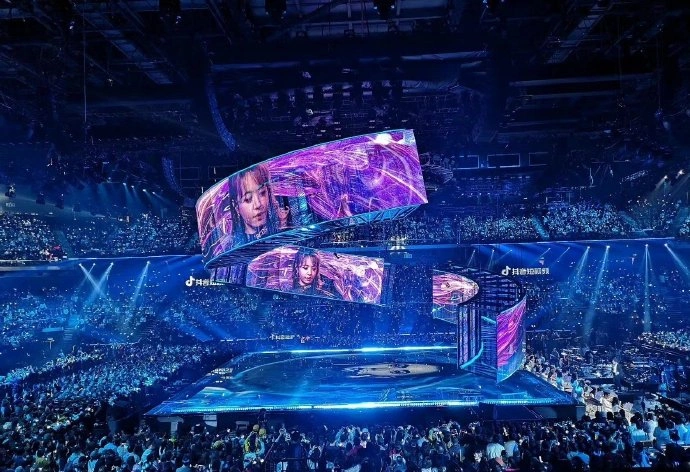
The cube LED screens are suspended in the center or at various strategic points within the stadium, offering a comprehensive 360-degree viewing angle. Equipped with lift adjustment functions, they allow for vertical movement to optimize viewing for displaying advertisements, providing real-time scores, and broadcasting live game feeds, providing clear views to fans.
Stadium LED Screen: How to Enhance Business Value and Fan Experience?
From the Super Bowl’s dazzling halftime shows to the World Cup’s real-time replays, stadium LED screen is revolutionizing fan experiences. This guide will address this question from the perspectives of why and how. You will know why it is essential in stadiums and how to improve your business value.
Table of Contents
1. Why Modern Stadium Must Upgrade to LED Displays?
According to the Statista 2024 report, LED displays account for a whopping 37% of stadium technology upgrade budgets globally, far outstripping sound systems (21%) and seating renovations (15%). Taking the English Premier League’s Tottenham Hotspur Stadium as an example, its $12 million 360° around-the-court LED screen directly drove a 12% increase in attendance and a $28 million increase in annual sponsorship revenue.
1.1 Qualitative Change of Watching Experience
Modern audiences’ needs for a spectator experience have changed qualitatively. 65% of audiences think the 4K/8K ultra-high-definition playback is an essential function. According to the 2023 NFL survey, venues equipped with real-time voting LED screens have 23 minutes longer audience dwell time.
1.2 Optimize Event Operations and Business Value
1. Multi-Functional Content Display
In addition to live broadcastsof events, rotating advertisements, sponsor brand content, venue safety tips, etc., a single stadium LED screen to meet the needs of a variety of uses, reducing the cost of replacing traditional billboards.
Support 4K/8K ultra-high-definition video playback, suitable for opening and closing ceremonies, concerts and other non-sports activities, to enhance the utilization rate of the venue.
2. Decrease Long-Term Operational Cost
LED technology consumes 30%-50% less energy than traditional LCDs and has a lifetime of up to 100,000 hours, significantly reducing maintenance and power expenditures.
The modular design of stadium LED displays facilitates partial repairs or upgrades, avoiding the high cost of replacing the entire screen due to local failures.
1.3 Promote Stadium Intelligent Upgrades
Linked with the venue’s LOT system, the stadium screen brightness can be automatically adjusted (according to changes in ambient light) or customized content (e.g., VIP seating welcome message) can be pushed.
The data analysis module can count the audience’s hotspots of concern (e.g. playback click rate), providing a decision-making basis for subsequent event operations.
2. 5 Gaming-Changing Advantages of Stadium LED Screens
2.1 5G + AI Interaction: Turning the Audience into a ‘Director’
The 5G-A network provides 10,000-gigabit bandwidth and ultra-low latency, realizing the synchronous transmission of 4K/8K images from multiple cameras, and viewers are free to switch between the main viewpoint, close-ups of athletes, or overhead shots to capture every detail.
At the same time, the audience participates in score prediction and best player voting through APP, and the results are instantly projected to the main stadium screen, forming a climax of the atmosphere of the whole arena linkage.
Combined with AI, the camera captures audience expressions and dynamically adjusts the interactive content. Millimeter-level capture of athletes’ movements (e.g., diving rotation angle), generating 3D trajectory diagrams and scoring analysis to help spectators understand the professional penalty standards.
2.2 High Brightness and Clarity
The brightness of stadium LED screens is up to 5000-10,000 nits, which ensures visibility even under direct sunlight. Its pixel pitch as low as P1.2-P3 provides sharp 4K/8K picture details for distant viewers. Advanced technologies like HDR and wide color gamut coverage exceeding 110% NTSC ensure vibrant, true-to-life colors and sharp details, which are critical for accurately displaying fast-paced sports actions.
2.3 Ultra-Fast Response and Refresh Rates
For fast-moving content like racing or hockey games, the stadium screen eliminates motion blur with a fast refresh rate of over 3,840Hz and a response time of less than 0.5ms, while AI-powered frame rate optimization can upscale lower-quality video sources to 120fps or higher for seamless slow-motion replays.
2.4 Robust Environment Durability
Built to withstand the elements, the stadium LED display meets IP65/IP67 dust and water resistance standards to ensure normal operation during heavy rain or sandstorms, and its intelligent cooling system allows reliable operation in extreme temperatures from -30°C to 60°C. Its reinforced structural design can withstand vibrations from concert speakers and typhoon-level winds at coastal venues.
With Multivision technology, a single stadium LED screen can simultaneously achieve:
70% of the area is broadcast in real time;
20% of the area is displayed with sponsored advertising;
10% Area Rolling Ticket Promotions.
Case: The NBA’s Golden State Warriors’ Chase Center Court increased advertising revenue by 175% in a single season.
3. 2024 Global Case Studies: Top Stadium Screen Projects
The global adoption of advanced stadium screen technologies has accelerated in 2024, driven by innovations in resolution, durability, and interactive features. Below are notable projects and trends from 2024, synthesized from industry developments and key manufacturers’ contributions:
3.1 USA SoFi Stadium Double-Sided Screen
In the centerpiece of the SoFi stadium, the double-sided 360-degree video board, spans 120 yards and contains almost 80 million pixels, covering 70% viewer’s sight. The USA SoFi stadium is the only broadcasting facility that can deliver 4K HDR content from end to end.
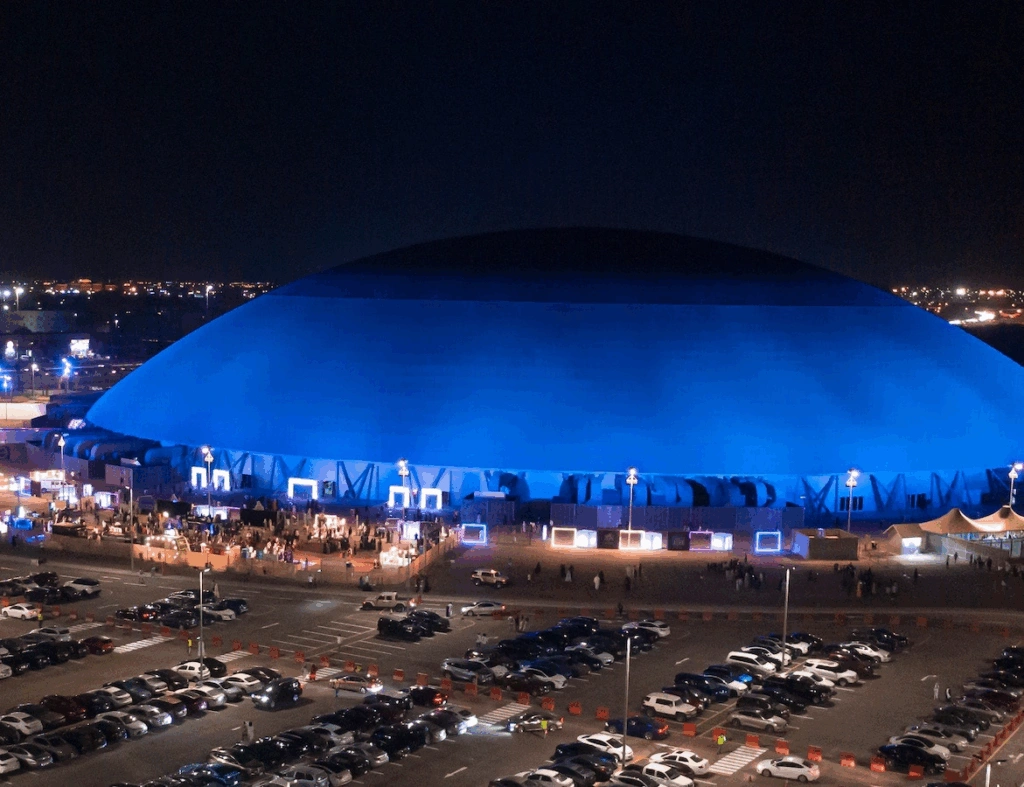
3.3 Jeddah Super Dome in Saudi Arabia
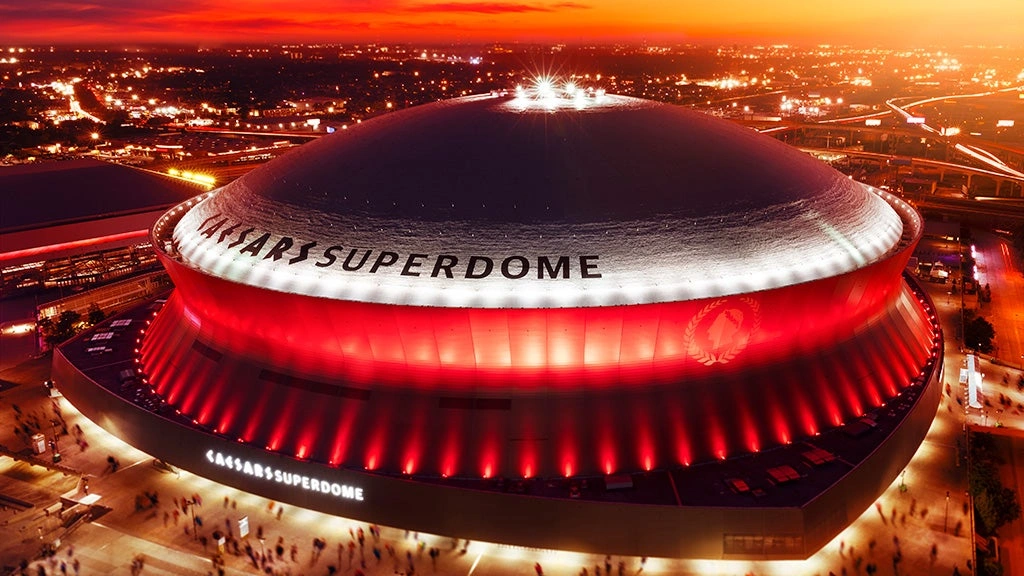
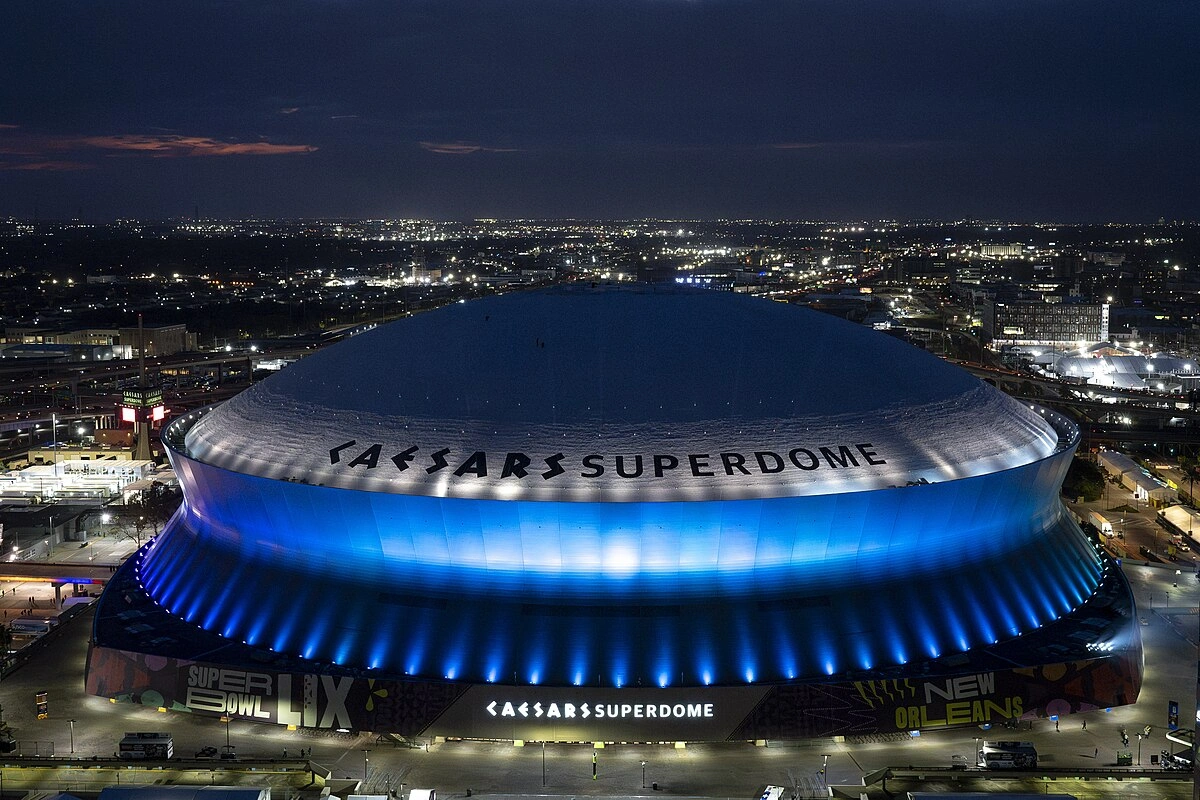
Jeddah Superdome is a truly stunning venue that can be used for a variety of sports. It’s located in Saudi Arabia. The JSD, with its 210m(690ft) diameter and 46m(151ft) height and 34,636 sqm of covered area, immediately became notable for breaking the records of two building structures: the largest continuous dome (non-segmented and non-openable), a record held previously by the Caesars Superdome; and, it’s now the largest geodesic domed structure in the world.
4. Factors to Consider When Buying A Stadium Screen
When selecting a perimeter LED display, the following critical factors should be prioritized to ensure optimal performance, cost-efficiency, and audience engagement:
4.1 Main Specification
There are three main specifications you should consider including 4K/8K resolution and ≥3840Hz refresh rate for seamless live-action displays, 10,000+ nits brightness for high visibility under direct sunlight, and modular designs for simplifying maintenance.
4.2 Operational Efficiency
You should appraise energy consumption and evaluate the long-term maintenance costs, aligning with your budget constraints. Integrating smart control platforms is beneficial for quick real-time monitoring, remote troubleshooting, and content switching.
4.3 Viewing Experience
The horizontal/vertical angles (≥160°) can effectively eliminate blind spots and ensure visibility at different angles. With pixel-by-pixel calibration, the curved or flexible stadium LED display provides high color/brightness consistency, bringing clear and lifelike images to sports fans.
4.4 Environmental Durability
The most important factor for stadium LED screens is IP rating. For example, the IP65/IP67 waterproof level is suitable for outdoor stadiums, especially monsoon-prone or coastal stadiums. The waterproof rating of indoor sports LED displays should basically be up to IP54. Meanwhile, the stadium screen should be equipped with an active cooling system to maintain normal running in -30°C to 60°C environment.
4.5 Cost Efficiency & Maintenance
The stadium screen supports front and rear maintenance design and adopts a modular design for quick module replacement. With built-in energy-saving drivers, the power consumption of LED screens can be reduced by 30–40%. With a long lifespan of ≥100,000 hours, the stadium display avoids frequent replacement, maximizing your business value.
5. Buyer’s Guide: 3 Steps to Choose the Best LED Display Supplier
When choosing the best LED display supplier, price is not the most important factor to consider. A reliable LED screen supplier should guarantee high-quality products, professional technical support, and perfect customization services.
5.1 Verify Industry Experience and Certification (Step1)
Industry Experience: Checking their successful LED display cases, especially large LED screen cases, will give you insights into their ability and industry in the LED display industry.
Product Certification: A professional LED screen supplier should hold professional industry certifications to ensure the product is aligned with market requirements.
ISO 9001/14001: Quality and environmental management.
DCI-P3 Color Compliance: For broadcast-grade color accuracy.
UL/CE/FCC Certifications: Safety and electromagnetic compatibility.
5.2 Access Product Quality and Customization(Step 2)
Pay attention to brightness, pixel pith, resolution, and durability for sharp and high-definition pictures. You can ask your supplier these problems such as What’s your MTBF (Mean Time Between Failures) for LED modules?” (Aim for ≥100,000 hours), or Can you provide P1.2–P3 screens for close-up viewing or P4–P10 for long-distance displays?”.
In addition, you can also offer your demands of stadium LED screens, asking whether they can customize a specific LED perimeter board according to varying sizes, shapes, and installation ways.
5.3 Evaluate Total Cost, Logistics and After-Sale Service(Step 3)
Cost transparency allows you to have a clear total cost budget from customization, customs declaration, and transportation, etc. Punctual delivery is also important. So you should assess the supplier’s capability to complete the project without delays.
Be sure that the supplier offers a series of reliable after-sale services. This should include everything from installation through to ongoing maintenance. Reputable suppliers will offer warranties and fast repairs in the event of problems.
6. Cost vs ROI: How to Recoup Your Investment By Stadium Screens?
When investing in stadium LED screens, it is important to balance upfront costs and long-term revenue potential. Here’s an in-depth analysis of cost components and ROI drivers to maximize returns.
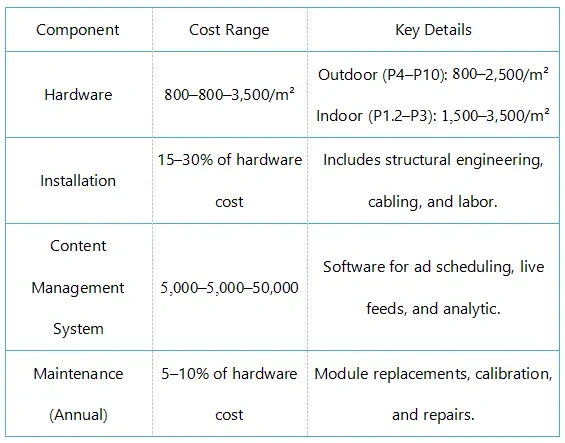
6.1 Cost Components of Stadium LED Screens
6.2 Key ROI Drivers
1. Direct Revenue: Maximize Advertising Revenue
Scenario-Based Pricing: Ad rates may increase by 300% during international events compared to daily event sessions.
Precise Placement: Customise advertisers’ needs according to viewer profiles (age, interests) in order to increase conversion and repurchase rates.
Dynamic Content: Real-time integration of scores, sponsor logos and more into ads to enhance their relevance for each event.
Regionalized Stadium LED Pricing: Regionalized stadium screen pricing varies according to factors like location, special stadium screen types and audience contact.
2. Indirect Revenue: Tickets, Rentals, Partners
Events Rentals: Rent the venues to event organizers like concerts, e-sports, corporate events, sports events, and so on.
Ticket Sales: Enhanced visuals (e.g., 8K replays, real-time stats) can increase fan retention and ticket demand (e.g., +10-15% attendance at tech-savvy venues).
Broadcast Partners: High-quality LED backdrops attracted premium broadcast deals (e.g., 4K/HDR-enabled venues were worth +20%).
6.3 Case Studies
a. Camp Nou(Barcelona) increased matchday revenue by 18% after installing 360°8K displays.
b. SoFi Stadium in the USA generated $12M/year from LED ad partnerships post-2020 upgrade.
7. What Benefits Can Stadium LED Screen Bring to You?
A stadium LED screen can bring numerous benefits to stadiums, event organizers, and fans by enhancing the overall experience and functionality. Here’s what a stadium screen can offer:
7.1 Enhanced Audience Experience
Live replays, real-time stats, and fan polls keep spectators engaged. Crisp visuals and interactive content amplify excitement, transforming passive viewers into active participants during games.
7.2 Boosted Brand Exposure
Dynamic ads, sponsor logos, and targeted promotions dominate sightlines. High-traffic events ensure brands reach global audiences, increasing recall rates by 3x vs. traditional billboards.
7.3 Revenue Generation
Sell ad slots, promote tickets, or partner with sponsors. Digital campaigns outperform static ads, with 25% higher engagement and real-time content updates for urgency.
7.4 High Visibility
Due to high brightness and anti-glare coating, the stadium LED screens ensure that all audiences can catch each important moment such as fan interactions, game highlights, and replays.
7.5 Increased Fan Engagement
Perimeter LED screens can display fan-generated content such as social media posts and live polls, creating an immersive and interactive experience. This encourages attendees to engage with the event in new and innovative ways.
8. What is the Application Prospect of Transparent LED Screens in Stadiums in 2025?
By 2025, the global transparent LED screen market is projected to experience rapid expansion due to stadium upgrades for events like the 2026 FIFA World Cup and 2028 Los Angeles Olympic Games. In this part, we will analyze their potential applications and benefits in 2025.
8.1 Enhanced Advertising and Brand Integration
Transparent LED screens are revolutionizing stadium advertising by seamlessly incorporating digital content with architectural features, providing natural light penetration while simultaneously displaying dynamic ads or sponsor messages on glass facades or railings without creating the “blocky” look associated with traditional displays. It is the best option for venues prioritizing aesthetics like modern stadiums with glass curtain walls.
8.2 Architectural Flexibility and Space Optimization
The transparent LED displays feature a lightweight, modular design that adapts to curved or irregular surfaces (such as stadium domes or concourses) without overloading the structure. Their front-end maintenance feature allows for quick repairs during events, minimizing downtime. The slim profile also protects spectators’ view, which is critical in crowded venues.
8.3 Customer Engagement and Event Enhancement
High brightness(10,000+ nits) ensures high visibility even in direct sunlight, supporting real-time replays and fan interactions. With 3840Hz+ refresh rates, transparent LED screens deliver smooth and clear slow-motion visuals for an instant replay system, enhancing audience immersion.
8.4 Challenges and Market Adoption
Transparent LED displays boast many advantages, but their cost is higher than traditional LED screens. This may prevent them from being adopted in smaller venues. Suppliers are required to provide more durable designs due to durability issues during inclement weather. (Example: waterproof seams on grid screens). However, the demand for cutting-edge, branded technology continues to grow at high-end stadiums.
9.Successful Customer Cases
UnishineLED Stadium LED Screen Features:
1. Professional Impact-Proof Design
Designed with pillowcases and soft rubbers, the perimeter LED display not only effectively ensures high impact-resistant performance, but also can protect athletes and viewers from potential injury.
2. Premium Visual Experience
With a 3840Hz high refresh rate and 6000CD/㎡ high brightness, our sports LED display supports high visibility and lifelike visual effects, engaging them in exciting sports events.
3. Professional Technical and After-Sale Team
We are equipped with a technical and after-sale team to solve any problems during installation and maintenance. In addition, our engineer can customize a specific screen solution according to your special LED display projects.
4. Certificate Authentication
We provide 2-year warranty and 2% free spare parts when customers purchase LED displays or modules. All LED display products meet the global quality standards and have passed CE, EMC, LVD, FCC, and UL certifications.
10.FAQs
What is the Power Consumption Standard of Stadium LED Screens?
The typical range is around 200–800W/m².
Outdoor screens: 300–800W/m² (high brightness).
Indoor screens: 200–400W/m² (lower brightness).
How to Avoid the Reflection Problem of Stadium Screens in Strong Light?
High-brightness LEDs (≥10,000 nits) combined with anti-reflective coatings and matte surface treatments ensure visibility in direct sunlight. Angled screen installations further minimize glare from overhead or lateral light sources.
What is the Best Pixel Pitch of LED Perimeter LED Display?
P3–P6: Suitable for close-proximity areas (e.g., VIP seating) to deliver ultra-high resolution.
P8–P10: Cost-effective for perimeter boards where audiences are 15–30 meters away, balancing clarity and budget.
How Does the Sports LED Display Synchronize the Match Data in Real Time?
Sports LED displays integrate with data systems via APIs or dedicated software (e.g., XML/JSON feeds) to sync live scores, player stats, and timing.
11. Conclusion
This article provides you with useful information about stadium LED screens. It can help you find the best LED display supplier and invest wisely to maximize your business value. But nothing is more profitable than getting advice from an expert LED screen supplier directly. Contact us to get free samples and the latest quotations.