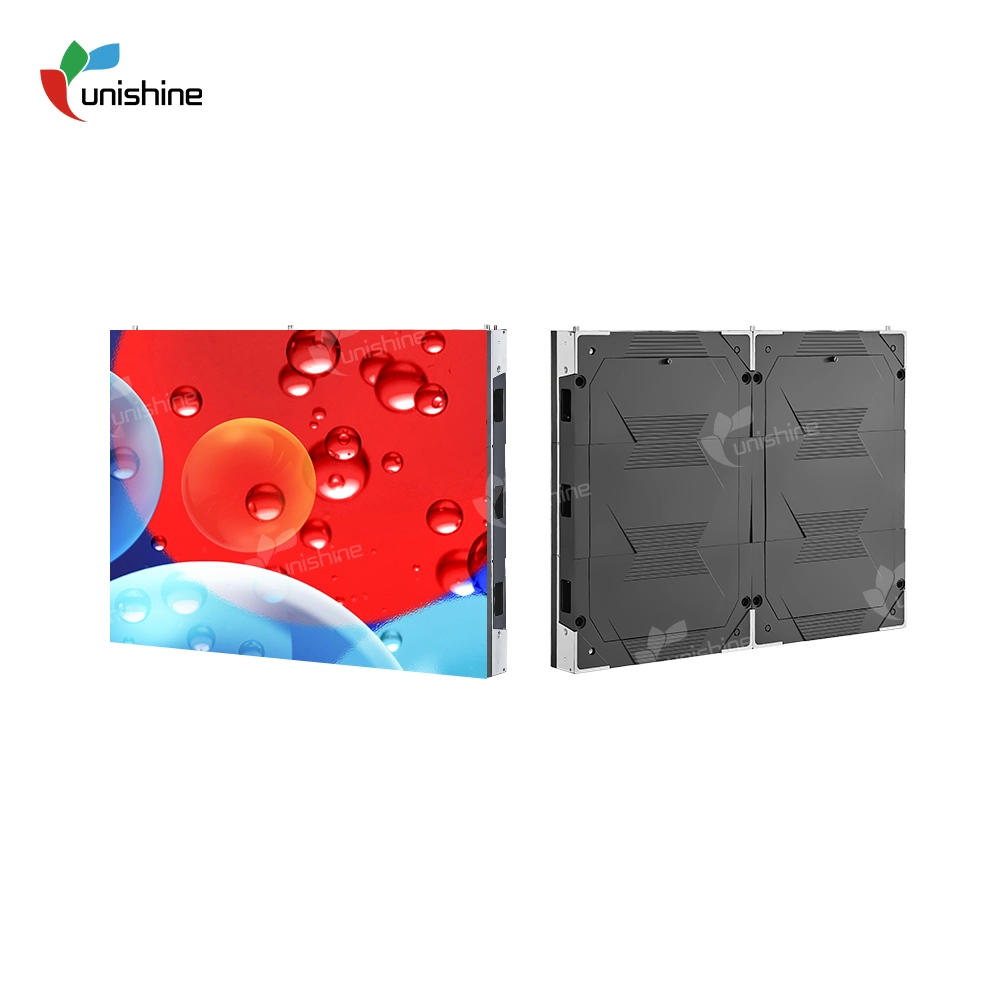
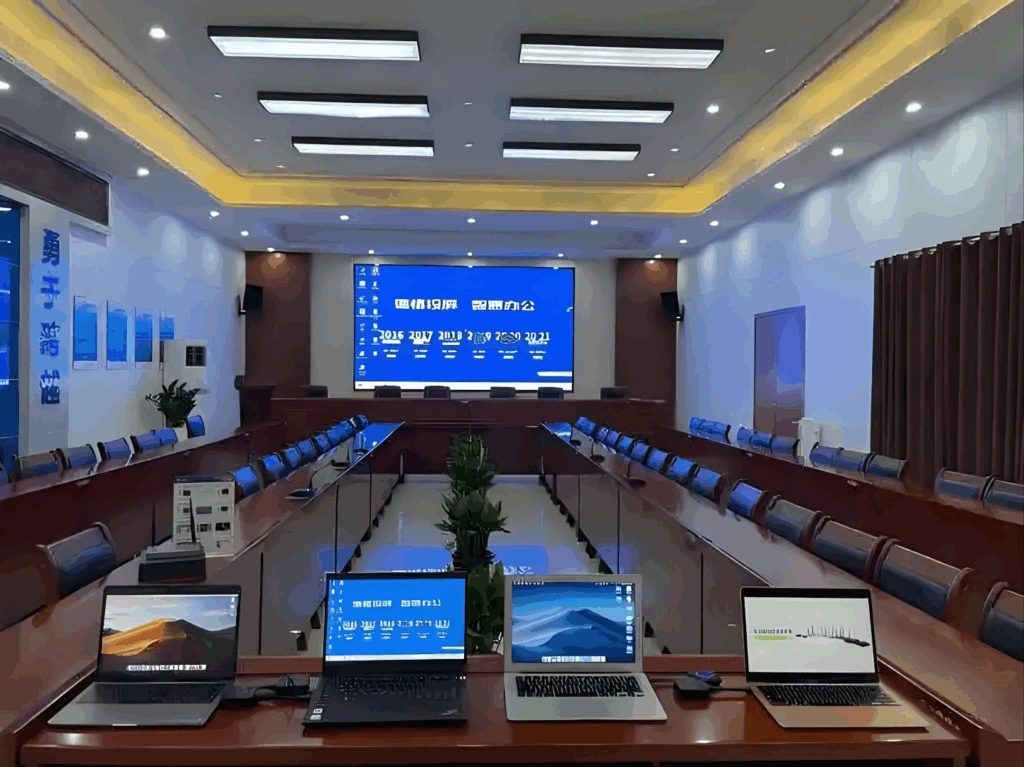
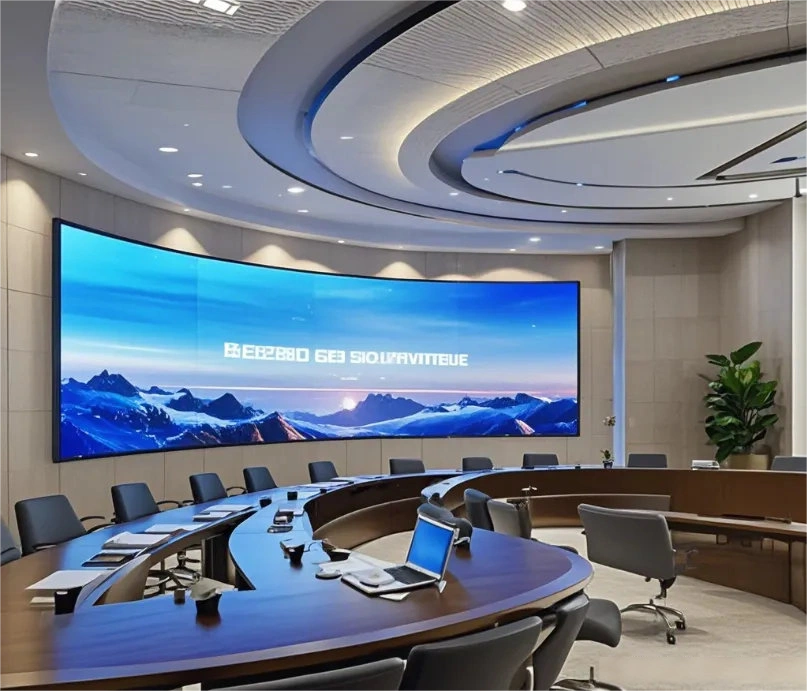
Meeting Room LED Screens are high-performance display solutions specifically engineered for modern conference scenarios. They integrate large-scale viewing, high-resolution visuals, and intelligent interactive functions to replace traditional projectors and conventional displays. They support 4K/8K ultra-high resolution to further improve visual experience.
U-Max
Indoor Front Maintenance Wall-mounted LED Display 1.Ready stock: Ready stock in warehouse; 2.High precision: Die-cast aluminum cabinet, high precision and good flatness; 3.Good compatibility: The cabinet can be quickly replaced with module of the pixel pitch from P1.25 to P4, and images can be upgraded to higher quality with lower cost; 4.Ultra-light and thin: Die-cast
Professional Conference LED Display Solution Provider
1. 10+ Years Experience: UnishineLED is a well-known LED display supplier with more than 10 years of industry experience, specializing in rental LED displays, stadium LED screens, transparent LED displays, LED posters and more.
2. Industrial Certifications: All LED displays meet global quality standards and are CE, EMC, LVD, FCC, UL, ISO14001, ISO9001, ISO45001, CCC and RoHS certified.
3. 8000+ Factory Area: Our factory covers an area of more than 8000 square meters and is equipped with advanced machines and equipment and strict quality control procedures to ensure the superior quality of our products.
4.Professional Team: Our company has a professional technical team, sales team and after-sales team, which can solve all the problems in the process of purchase, installation and maintenance.
Application
High Brightness and Uniform Visibility
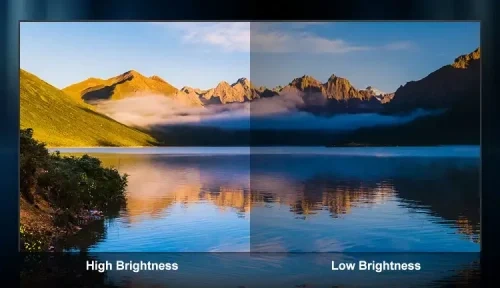
Conference LED screens typically range in brightness between 800 to 5,500 nits, guaranteeing content remains sharp even in low or brightly-lit rooms. Modern displays support High Dynamic Range (HDR), rendering rich contrast and vivid, lifelike colors. As brightness remains consistent across the surface of the screen surface, audience members seated from all angles experience uniform clarity and color accuracy – especially important in corporate settings where shading or dimming may not be an option.
160° Wide Viewing Angles
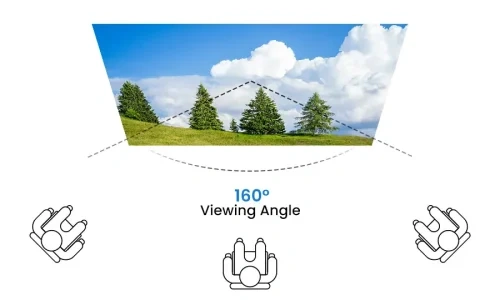
Due to LED technology, conference displays offer ultra-wide viewing angles of up to 160° horizontal and vertical without losing color or contrast, providing everyone with equal clarity and detail from front row seats to side seats without loss. LED walls maintain uniform image quality throughout, making them the ideal solution for collaborative discussions or audience-driven interactions that reinforce inclusive engagement in meetings or presentations.
High Refresh Rate & Gray Scale
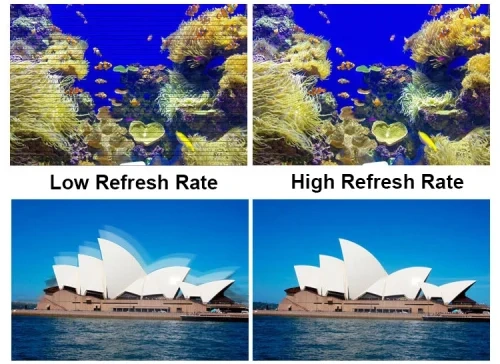
Modern conference room LED screens operate at refresh rates of 3,840Hz or greater, eliminating flicker and providing seamless motion even during fast-paced content or live video conferencing. Furthermore, their 14-16 bit gray-scale depth ensures smooth gradient transitions without banding or ghosting for reduced eye strain during long meetings, offering more polished visuals whether displaying charts, animations or detailed design models.
CMS Remote Control
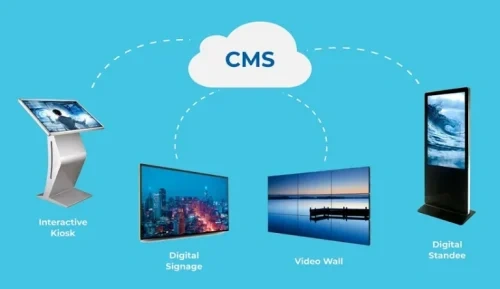
Modern LED displays come equipped with content management software (CMS) and support remote access via Ethernet or wireless connections, providing remote scheduling of content, brightness settings, diagnostics in multiple rooms from one central dashboard. Cloud-based management and front serviceable designs increase administrative efficiency allowing updates, uniform settings management and rapid responses to AV problems without having to physically be present on-site.
2025 Conference LED Screen: Full Buyer’s Guide!
The conference LED screen has become a vital device for remote meetings, project presentations, and daily meetings. It displays high-definition images and fluent videos to help employees show their core content clearly.
Now, a fine-pitch LED screen is necessary for each meeting room. How to choose the best LED display for conference room? This ultimate guide will teach you step-by-step. Don’t miss this treasure trove guide!
Table of Contents
1. How Does an LED Screen Improve Conference Room Meetings?
Conference LED screens redefine the modern conference room, delivering unmatched clarity, seamless adaptability, and professional-grade performance to elevate every meeting experience.
1.1 Exceptional Visual Clarity
Conference LED screens provide crystal-clear, high-definition visuals that render every detail—from fine text to complex charts and 4K videos—with perfect clarity regardless of ambient lighting.
Their superior brightness consistency and dynamic contrast outperform traditional projectors, enabling professional presentations without compromising room illumination.
1.2 Super Wide Viewing Angle
The ultra-wide viewing angle ensures that participants in the back and side rows of the conference room can see the content details without blind spots, avoiding the color distortion and brightness drop problems of traditional projection when viewed from the side. Any seat can clearly identify chart data and text annotations.
1.3 Engagement and Interaction
Modern conference LED screens with multi-touch functionality transform presentations into interactive experiences. Integrated features—including live polling, instant Q&A, and collaborative digital whiteboarding—drive real-time engagement, turning meetings into dynamic, participant-driven sessions
1.4 Adaptable to Various Room Sizes
Conference LED screens are available in multiple sizes and shapes so that you can customize them to fit your different conference room dimensions – from small meeting rooms to large conference rooms. In addition, the modular design also allows for customized shapes that are adaptable to special spacial requirements.
1.5 Energy-Efficient and Long Lifespan
Modern conference LED displays achieve significant energy savings through efficient light energy conversion (electro-optical efficiency > 30%), pixel-level light control, and intelligent brightness adjustment.
Compared with traditional projectors, they can reduce power consumption by 50% and save 35% of annual electricity bills. Its ultra-long life (50,000 hours of light decay < 30%) is due to its low-temperature operation design (≤ 65°C), anti-light decay materials, and modular maintenance.
It can last for 17 years with an average daily use of 8 hours. Its ultra-energy-saving and ultra-long life advantages make it a cost-effective and sustainable conference display solution.
2. 6 Benefits of Conference Room LED Screen
Conference room LED displays offer 6 key benefits that enhance meeting experiences and room functionality. Here’s how they contribute to more effective and versatile conference spaces.
2.2 Clarity without Glare
Modern conference LED screens feature anti-glare technology that eliminates reflections, delivering crisp visibility in any lighting. This ensures comfortable, eye-strain-free viewing for all participants
2.3 Easy Operation
Featuring intuitive interfaces and multi-source input compatibility, the conference LED screens enable seamless switching between presentations, videos, and live feeds – minimizing setup time and eliminating technical disruptions during meetings.
2.4 Versatile Functionality
In addition to standard presentation features, LED screens for conferences support a wide range of functions such as video conferencing, interactive whiteboards and real-time data display. This versatility makes it suitable for a variety of meeting formats and collaborative sessions.
2.4 Church Information with Subtitles and Sign Languages
The church information such as seat availability updates, parking directions, or venue instructions can be shown on the screen. The screen information with subtitles and sign language is better for hearing-impaired congregants to find the right place.
2.5 Simple Installation
The LED screens for conference rooms feature modular installation systems supporting wall-mount, freestanding, or structural integration, enabling rapid deployment with <24hrs typical installation time and zero workspace downtime.
2.6 Easy to Move
Conference LED displays are designed with mobility, featuring lightweight structures and handles for easy relocation. This portability allows organizations to adapt their meeting spaces to various needs and configurations as required.
3. Conference LED Display VS Projector: Which is Better?
Compared with traditional projectors, conference LED displays excel in clarity, color contrast, brightness, and screen sizes, etc. As mentioned above, we will offer detailed contrastive information to help you determine which might be better suited for your needs.
3.1 Image Clarity
Meeting room LED display:With a sharp contrast rate and high resolution, the conference LED screen provides high-definition visuals to ensure clear visibility even in well-lit settings. It is ideal for meeting rooms that have capricious lighting environments.
Projectors: The image clarity of projectors depends onambient light. They typically project clear images in the dim lighting condition, which doesn’t correspond with the requirements of normal conference rooms.
3.2 Brightness
The brightness of LED screens and projectors has different measurement units. The LED displays are measured by NIT, while projectors use LUX as a measurement unit.
One NIT is equivalent to 3.426 LUX. Therefore, the LED screen is much brighter than the projectors. The projectors require a fixed projection distance to display images, which will decrease brightness in a way.
3.3 Unlimited Size
Conference LED screen:The size of LED conference screen can be customized according to your various meeting rooms. Meanwhile, you also can choose different types of LED screens with specific specifications for special spatial designs.
Projectors: For the projectors, the size is limited. You only can set the optimal projection size to match the size of the projection screens. Otherwise, the projector will fail to focus properly.
3.4 Cost Comparison
The initial cost of a projector is 15%-20% much lower than that of conference LED screens. However, after the usage of 1 or 2 years, you need to expend $500 to buy a new light engine and $450 for a new bulb replacement of projectors. In contrast, the maintenance cost of conference room LED screens only requires $100-300 for LED module replacement. The conference LED screens is more cost-effective than the projector.
4. How to Choose A Perfect LED Screen for a Conference Room?
When selecting the right LED screen for your meeting room, you need to consider both technical specifications, sizes as well as installation. This comprehensive guide will help you make an informed choice.
4.1Key Technical Factors
Pixel Pitch: The small pixel pitch(2-P1.8) offers sharper images and is ideal for small and medium-sized conference rooms. For a large meeting room, a pixel pitch of P2.0-P2.5is a better choice.
Viewing Angle: The viewing angle of meeting room LED displays should range from 160 to 180 degrees, ensuring all attendees sitting in different seats can view the content clearly.
Brightness: For indoor conference rooms, a brightness level between 800–1,200 nitsis recommended.
Contrast Ration: A high contrast ratio(3000:1 or higher) enhances image depth and clarity to bring more vibrant visuals for audiences.
Refresh Rate: Higher refresh rates (e.g. 1920Hz-3840Hz) can reduce flickering, motion blur and eye strain.
Connectivity and Compatibility: Conference LED screens should accommodate various input sources such as HDMI, USB and wireless connectionsfor seamless integration into existing setups (e.g. Zoom or Microsoft Teams) and devices.
4.2 How to Choose: Step-by-Step Guide
a. Determine Screen Size and Purpose: Measure the dimensions of your conference room and identify the primary functions of the LED screen as you wish.
b. Set a Budget: Set a budget that meets your company’s limitations and requirements including initial purchase costs and potential maintenance costs.
c. Find a Reliable Manufacturer: You need to look for well-known and experienced LED screen suppliers(UnishineLED) who offer complete services from purchase to after-sales.
d. Assess Quality: Select a conference LED screen with advanced technology and certifications that are industry standard to ensure consistent performance and durability.
e. Installation and Maintenance Consideration: Consider if you prefer wall-mount, free-standing, or integrated architecture displays and ensure they match the layout of your conference room.
5. Top 3 Conference LED Screen Applications
Conference LED screen has become an important tool across various professional scenarios to enhance engagement and communication. Here are the top three conference LED screen applications.
5.1 Corporate Boardrooms
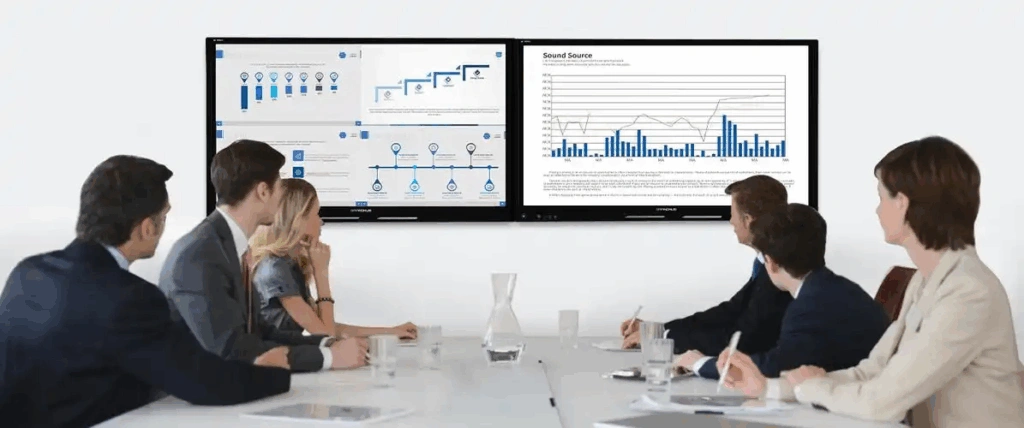
LED screens are used in corporate boardrooms to present data, visualize it, and conduct video conferences. High-resolution conference room LED screens ensure that charts, graphs and multimedia content can be presented clearly, helping to facilitate informed decisions.
5.2 Academic Lecture Halls
Educational institutions rely on LED screens in lecture halls to facilitate engaging and interactive learning experiences for their students. These screens boast wide viewing angles and high brightness levels to make sure content can be seen by all, even in large auditoriums.
Furthermore, they support different teaching methods ranging from traditional lectures to multimedia presentations to enrich the educational environment.
5.3 Hybrid Meeting Rooms
Meeting rooms equipped with LED screens facilitate seamless collaboration among in-person and remote participants, offering clear visuals and seamless integration with video conferencing systems for an equitable meeting experience. Features like real-time data sharing and interactive features also add value in hybrid settings.
6. 2025 Trends in Conference LED Technology
The landscape of conference technology is undergoing a profound transformation, with Light Emitting Diode (LED) displays emerging as a pivotal force in shaping future engagement. Let us explore the future outlook on conference LED technology.
6.1 Upgraded Technology
6.1.1 AI, loT, and 5G for Enhanced Conference Experience
The convergence of Artificial Intelligence (AI), the Internet of Things (IoT) and 5G connectivity will revolutionize conference displays. AI-powered LED systems will be able to adjust content in real time based on factors such as crowd demographics, as demonstrated in applications such as Tokyo’s Shibuya district.
The LED displays incorporating IoT sensors can reduce energy consumption by 35% through adaptive brightness control.
5G technology expansion is expected to significantly enhance the audiovisual (AV) experience, improving system quality by addressing challenges such as latency and buffering to enable smoother streaming and seamless data transfer.
6.1.2 Mini-LED and Micro-LED for Higher Visual Clarity
Mini/Micro-LED display technology for conference scenarios realizes innovative applications such as transparent conference screens with a million-level contrast ratio and 72% light transmission rate through ultra-high precision splicing (e.g. P0.5mm seamless modular expansion), dynamic color gamut calibration and COB packaging technology.
Its core advantages include AI gesture interaction, quantum dot light efficiency improvement (40% reduction in blue light leakage) and flexible curved display (36° bendable), which solves the halo, energy consumption and maintenance challenges of traditional conference displays.
It is expected that the penetration rate will reach 35% in 2026, and is gradually replacing LCD projection as the mainstream solution for smart meetings.
6.1.3 Augmented and Virtual(AR/VR) Integration
The integration of Augmented Reality (AR) and Virtual Reality (VR) is a significant trend for next-generation display applications. These integrations allow individuals to interact with content in novel ways, such as interactive content or creative games in the meeting.
A virtual event in 2025 will also specifically focus on MicroLED and AR/VR innovations, technologies, and manufacturing, underscoring the strong connection between advanced display technologies and immersive applications.
6.1.4 Adoption of IP-Based AV Solutions
The adoption of IP-based audiovisual (AV) solutions will revolutionize meeting room technology by 2025, providing greater flexibility, scalability and efficiency. Transmitting audio and video signals over standard Ethernet, AV-over-IP systems eliminate the need for traditional point-to-point cabling, simplifying infrastructure and reducing costs. This approach allows centralized control of multiple devices for seamless content distribution and management across rooms and even locations.
In practical applications, companies like SC&T have proven the effectiveness of AV-over-IP systems in conference rooms, demonstrating features such as auto-tracking cameras, touch-screen control, and BYOD (Bring Your Own Device) support, all managed through a unified network infrastructure.
6.1.5 Creative LED Displays Redefining Conference Design
The industry is rapidly moving beyond traditional flat panel displays to embrace innovative forms and functions. Flexible LED displays are now available in curved, rectangular and other unique configurations, offering unprecedented design possibilities. Transparent LED screens are a trend that seamlessly integrates digital content into the physical environment. These screens can be integrated into the glass walls of corporate spaces, presenting a dynamic visual effect while maintaining an open aesthetic.
For meetings, this means transitioning from a traditional presentation backdrop to a vibrant, interactive and visually stunning environment that significantly enhances the overall attendee experience.
6.2 Future Market Outlook about Conference LED Display
The global conference LED display market is projected to experience impressive expansion through 2025 and beyond, propelled by technological advancements and an increasing need for high-quality visual communication in professional settings.
TrendForce predicts that the global LED video wall market is set to reach USD 7.991 billion by 2025, with indoor fine-pitch displays projected to see growth at a compound annual growth rate of 10% from 2023-2028.
Advances in display technologies, such as Mini-LED and MicroLED displays, are revolutionizing meeting room LED displays for large conference rooms and auditoriums.
The demand for these LED modular screens is reflected in the growth of the LED modular displays market, which is valued at $8.25 billion in 2024 and is projected to reach $24.9 billion by 2033, at a CAGR of 13.05% during the forecast period.
Overall, the conference LED screen market is on an upward trend due to technological innovations and rising demands for advanced communication tools in professional environments. Organizations investing in these technologies can expect improved engagement, collaboration and overall meeting effectiveness as a result of investing in them.
7.FAQs
1.Can conference room LED displays integrate with existing AV systems?
Absolutely. Modern conference LED displays can be easily integrated into existing AV systems and are compatible with a wide range of audio-visual equipment. This allows for seamless integration with other conferencing tools.
2.How to rightly clean the meeting room LED displays?
*Use a soft bristle brush andnon-woven dry wipe, alcohol/chemical solvents are strictly prohibited.
*Power off cleaning once a month, focusing on removing dust accumulated in the heat sink holes.
3.There is uneven brightness/color difference on the conference LED screens.
*Calibrate each area using a luminance meter and enable point-by-point correction via the control system.
*Replace modules with color coordinate deviations >5%.
8. Conclusion
This post gives you an insight on how to choose the best conference LED screens and look into their future trend. It is very helpful that you buy an affordable LED displays for your meeting rooms.
Conference LED screens incorporating the latest LED technology will be a future trend during the development of these LED displays. The UnishineLED conference LED displays is the new generation of LED screens with high resolution, multiple functions, and upgraded control technology. Contact us to get a preferred quote!