In modern houses of worship, visual technology is no longer just a backdrop; it is a critical tool for congregation engagement and online pastoral reach. As traditional projectors struggle with ambient light and fading contrast, church LED screens have emerged as the industry standard.
However, specifying a digital display for a sanctuary is vastly different from outfitting a commercial billboard. It requires a delicate balance of architectural integration, acoustic consideration, and broadcast-ready performance. By partnering with an experienced OEM/ODM manufacturer, churches and AV integrators can design a custom LED display system that respects the worship environment while delivering a predictable long-term return on investment (ROI).
Engineering Prudence: What Defines a High-Quality Church LED Wall?
When evaluating stage screens for a sanctuary, B2B buyers and worship technical directors must look beyond basic brightness. A truly high-quality installation solves specific operational pain points:
Fanless, Silent Operation (≤40dB): Unlike loud outdoor cabinets, indoor church screens must respect the quiet moments of a sermon or prayer. Premium magnesium-alloy or die-cast aluminum cabinets dissipate heat naturally, eliminating the need for noisy cooling fans.
Broadcast-Ready Visuals (≥3,840Hz Refresh Rate): With the rise of multi-campus broadcasting and YouTube livestreams, your LED wall must look flawless on camera. High refresh rates ensure that lyrics and IMAG (Image Magnification) feeds remain free of distracting scanning lines or moiré artifacts.
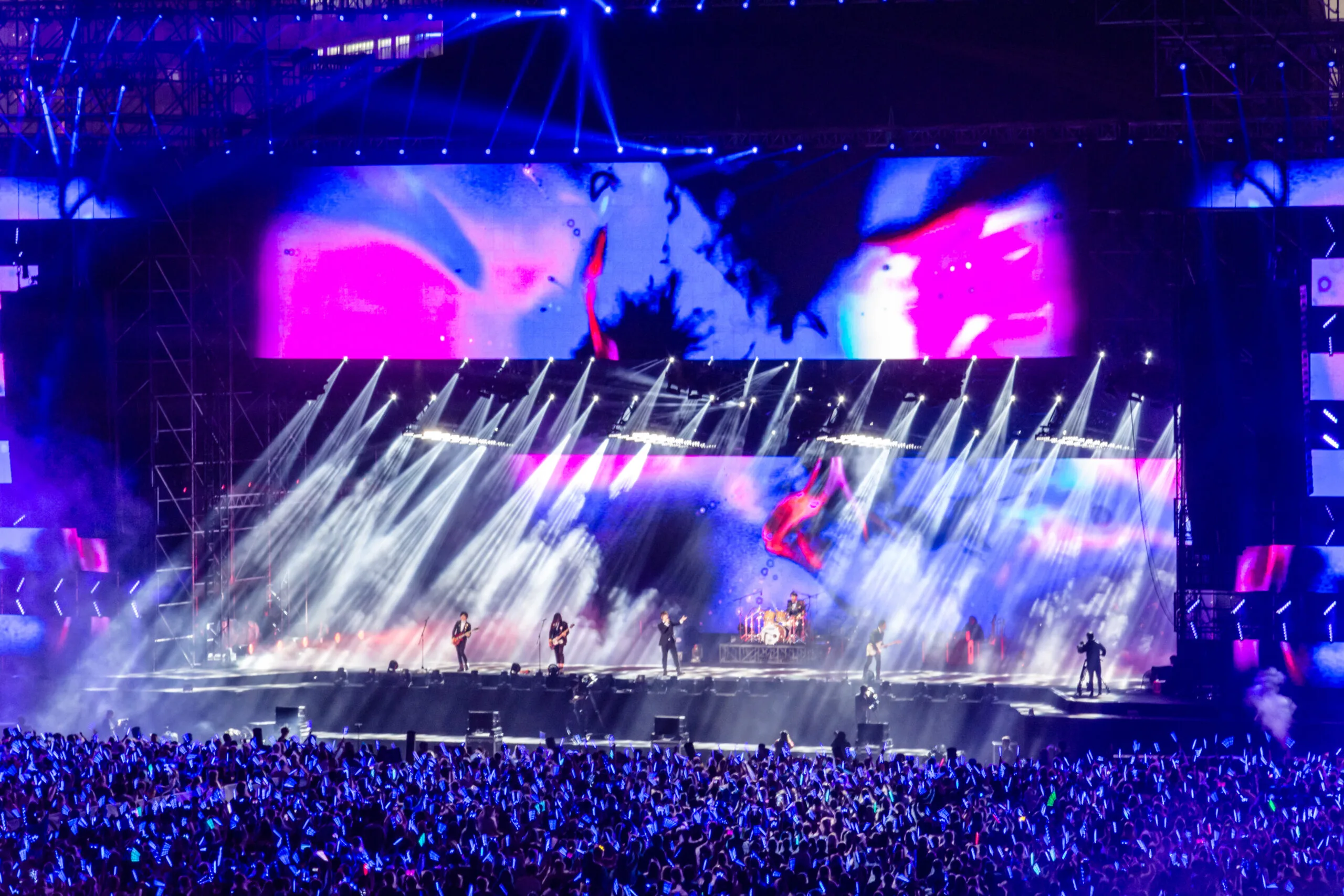
Low-Glare Matte Surface: Stage lighting is essential for worship bands, but it can wash out inferior screens. High-contrast matte masks absorb ambient stage light, ensuring deep blacks and vibrant colors from any viewing angle in the auditorium.
Tailoring the Stage Screen to Your Sanctuary
No two churches are structurally identical. A rigid, one-size-fits-all product often leads to costly structural modifications. This is where a custom LED display approach provides maximum value.
Pixel Pitch vs. Viewing Distance: For modern megachurches with deep auditoriums, a P3.9 screen provides an excellent cost-to-performance ratio. For historic chapels or sanctuaries where the front row sits within 10 feet of the stage, an ultra-fine pitch (P1.9 to P2.6) guarantees crisp, pixel-free text.
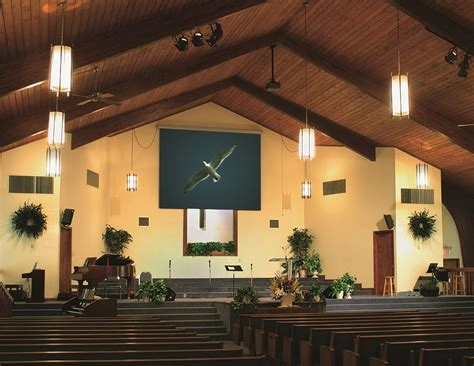
Creative Architectural Builds: Beyond flat center screens, modern worship designs often utilize distributed side screens, curved backdrops, or transparent LED meshes to preserve historic stained-glass windows without blocking natural light.
Volunteer-Friendly Maintenance & TCO
Most church AV teams are run by dedicated volunteers, not professional engineers. Therefore, the hardware must be accessible and easy to maintain.
Modern church LED walls feature 100% front-service capabilities. If a module fails before Sunday service, a volunteer can use a magnetic tool to safely swap out the specific component in under 60 seconds—without needing to access a dark, cramped rear maintenance corridor. This modular approach drastically lowers the Total Cost of Ownership (TCO) over a 7-to-10-year lifespan.
Why Work with an OEM/ODM LED Partner?
Procuring stage LED walls through a direct OEM/ODM manufacturing partner like Unishine LED ensures that your project is engineered from the ground up for safety and compliance. From providing detailed CAD structural drawings for your rigging team to ensuring all power supplies meet strict CE/UL safety certifications, a factory-direct partnership guarantees transparency, reliable long-term spare parts availability, and competitive project pricing.
Expert FAQ: Planning Your Church LED Installation
1. What is the best pixel pitch for a church stage screen? It depends on the distance from the screen to your closest seated congregation member. A general rule is 10 feet of viewing distance for every 1mm of pixel pitch. Most mid-sized churches find the sweet spot in the P2.5 to P3.9 range.
2. Will a large LED wall make our sanctuary too hot? No. High-quality indoor LED cabinets are engineered with energy-efficient ICs and natural heat dissipation designs. They generate significantly less heat than older generation displays or traditional stage lighting rigs, reducing the burden on your building’s HVAC system.
3. Can we install the LED screen flat against the wall? Yes. By utilizing cabinets with 100% front-service maintenance, the screen can be mounted almost entirely flush against your existing sanctuary wall. This saves valuable stage space and eliminates the need for expensive rear catwalks.
4. How do we ensure the screen matches our church’s unique stage design? Through OEM/ODM services, LED cabinets can be customized. Whether you need seamless 90-degree corners, smooth curves, or specific lightweight dimensions to meet your ceiling’s hanging weight limits, the hardware can be tailored to your sanctuary’s exact architectural blueprints.