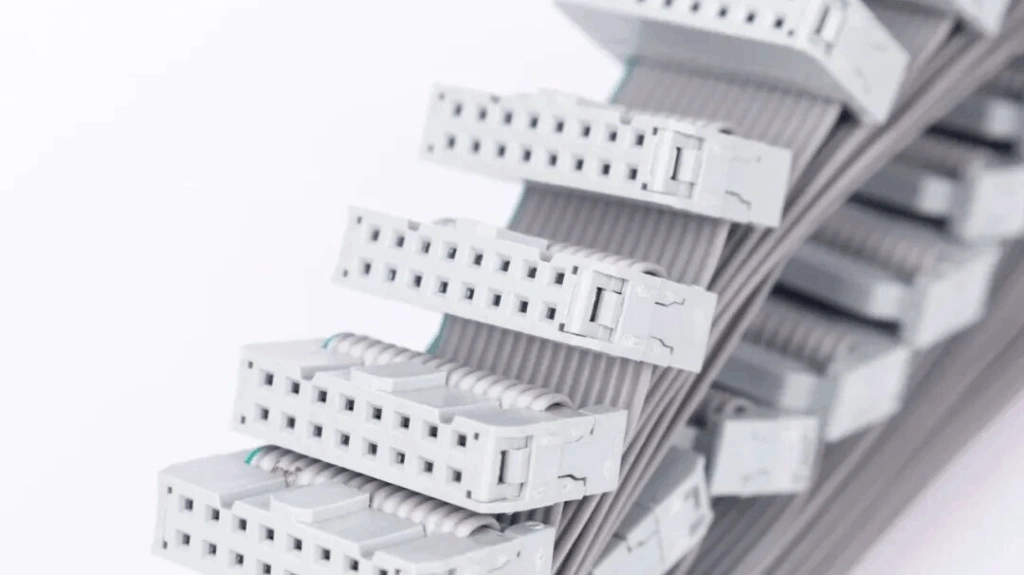
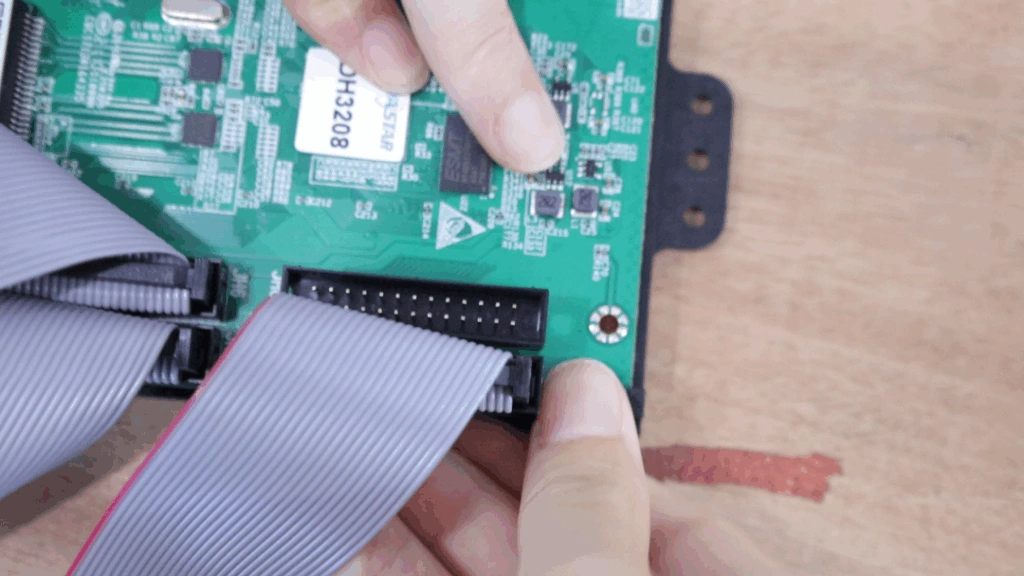
Behind every LED display, flat cables play a crucial role in connection and signal transmission—much like the blood vessels of the human body, delivering various signals and data to every pixel of the display to ensure its proper operation. Among them, 16P, 20P, and 26P cables are common types, each boasting unique characteristics and application scenarios.
1. Differences in Interface Pin Count
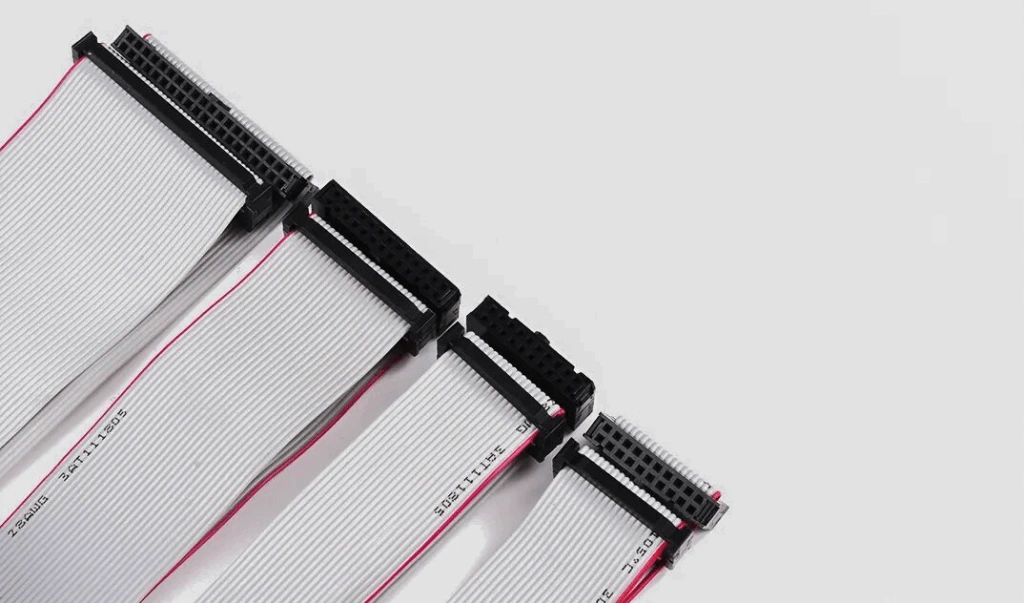
16P Cable:The “16P” stands for 16 pins, meaning this cable is equipped with 16 pins for signal transmission and other functions. With a relatively small number of pins, it is suitable for LED display connection scenarios that do not require high data transmission or have relatively simple functions. For instance, some small monochrome LED displays, which involve minimal data volume and simple control signals (such as turning on and off), can fully meet their basic signal transmission needs with 16P cables. Examples include simple indoor information displays that only need to transmit basic data of displayed content and simple control instructions.
20P Cable:The 20P cable features 20 pins, four more than the 16P cable. This additional pin count enables it to transmit more types of signals or achieve higher data bandwidth under the same signal type. It is widely used in LED displays that require transmission of more complex control signals or higher-resolution data. For example, LED displays capable of showing simple animations or multiple colors need to transmit color data, brightness adjustment data, and a greater number of control instructions—needs that the 20P cable can effectively fulfill.
26P Cable:Boasting 26 pins, the 26P cable has the highest pin count among the three. It is typically employed in LED displays with more complex functions and higher data transmission requirements. For example, large-scale full-color high-definition LED displays need to transmit massive pixel data (including red, green, and blue color data), scan control signals, brightness and contrast adjustment signals, and various other complex signals. The 26P cable provides an adequate number of pins to ensure the stable transmission of these signals.
2.Differences in Data Transmission Capability
16P Cable:The 16P cable exhibits specific characteristics in terms of data transmission stability. Thanks to its relatively simple structure and fewer signal transmission paths, it can transmit data reliably in stable and simple environments. For example, in small indoor displays with minimal environmental interference, where the displayed content is basically fixed and the data update frequency is low, the 16P cable can operate stably with few instances of data transmission errors or fluctuations. However, when exposed to external interference factors—such as strong electromagnetic sources nearby or environments with dense use of multiple devices—its anti-interference capability is relatively weak. This may lead to temporary instability in data transmission, resulting in slight flickering or noise in the displayed images.
20P Cable:The 20P cable offers improved data transmission stability compared to the 16P variant. The increased number of pins provides more channel options for signal transmission, which can to a certain extent mitigate the impact of interference on data transmission. It can maintain good stability in relatively complex environments for moderately complex display tasks. For example, in conference rooms where various electronic devices may be operating simultaneously, the 20P cable can resist such interference to a certain degree, ensuring stable display quality. Nevertheless, in extreme interference conditions, minor image fluctuations or color deviations may still occur, but overall, its stability is superior to that of the 16P cable.
26P Cable:Equipped with more pins and a more sophisticated design, the 26P cable usually adopts advanced shielding and anti-interference technologies. In applications such as large outdoor displays or high-end indoor displays, even when facing complex electromagnetic environments, harsh weather conditions (e.g., lightning and electromagnetic interference outdoors), and the pressure of high-speed transmission of large volumes of data, the 26P cable can ensure stable data transmission. It can effectively filter out various interference signals, guaranteeing that the displayed images remain clear, stable, and accurate in color at all times. It hardly experiences image quality issues caused by unstable data transmission, providing reliable support for high-quality display effects.
3.Differences in Application Scenarios
16P Cable:It is commonly used in small indoor LED displays, such as small monochrome or dual-color LED displays in stores for showing prices and promotional information. These displays are small in size, feature simple displayed content, and have low data transmission requirements—needs that the 16P cable can well satisfy for basic connection purposes.Additionally, it is utilized in LED display projects sensitive to costs. Due to its simple structure and fewer pins, the cost of the cable itself and the matching interface may be lower, making it suitable for application scenarios that prioritize price over high performance.
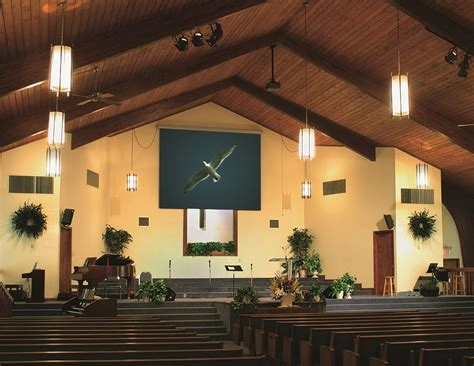
20P Cable:The 20P cable is applied in medium-sized LED displays, such as indoor displays in conference rooms used for presenting meeting themes and lecture content. These displays may need to show simple color images or animation effects, and the 20P cable can provide sufficient signal transmission support.It is also prevalent in LED displays requiring multiple control functions. For example, additional pins can be used to implement brightness adjustment, screen partition control, and other functions to meet diverse display needs.
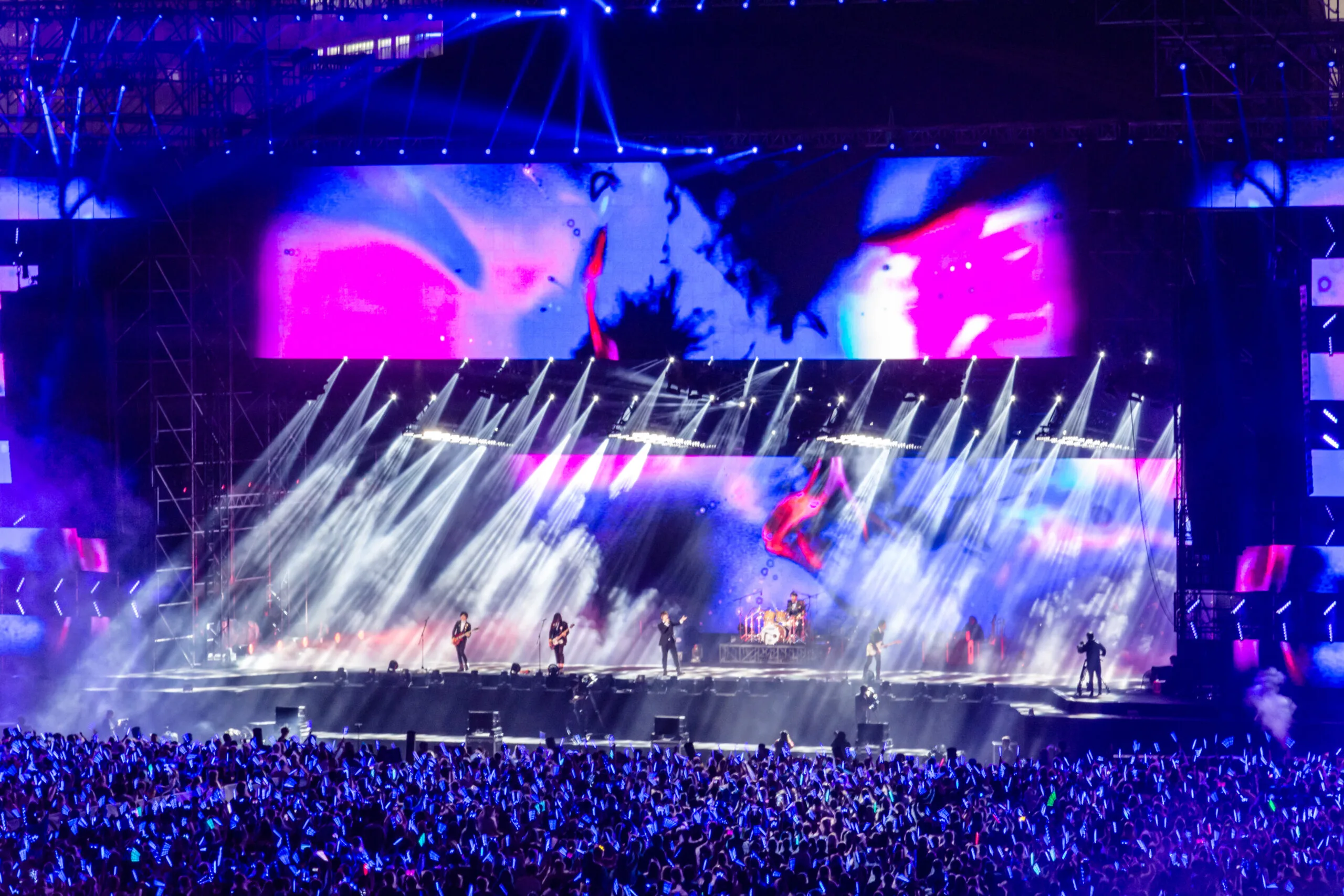
26P Cable:Primarily designed for large outdoor LED displays and high-end indoor LED displays, such as advertising displays outside large shopping malls and large scoreboards in stadiums. These displays demand high resolution and high refresh rates to ensure clear visibility at long distances and under various lighting conditions, as well as full-color display to present rich advertising content and game information. The 26P cable is capable of meeting the requirements of these complex and high-demand application scenarios.