Blog
Description
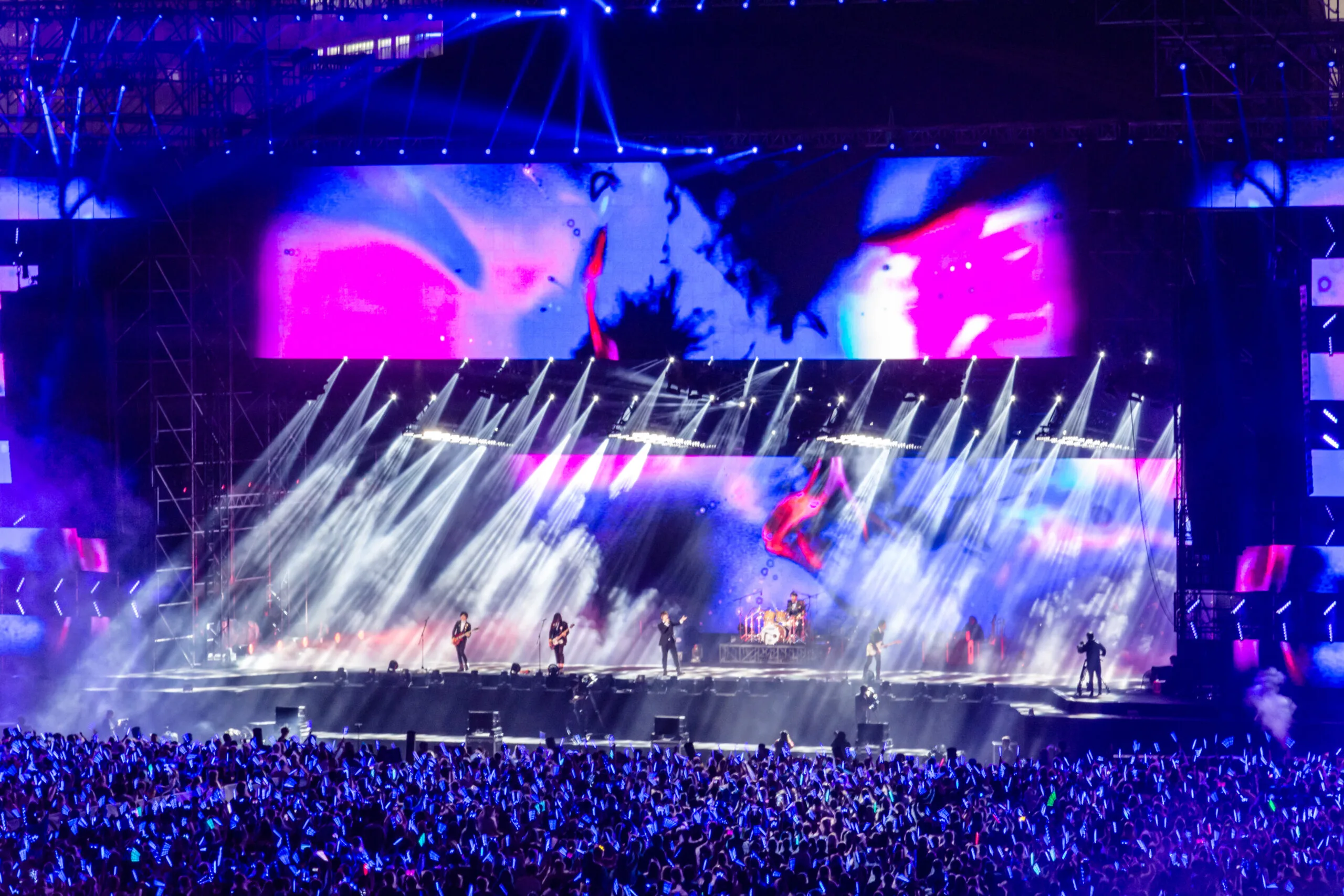
Stage Visual Engineering: High Quality LED Stage Panels, Truss Integration & Concert Setup Technology
What makes a stage led screen road-ready for professional US touring? In the demanding world of North American concert touring and high-end event production, the hardware is subjected to extreme physical stress. A stage led screen is not a static piece of equipment; it is a “road warrior” that must survive thousands of miles in…
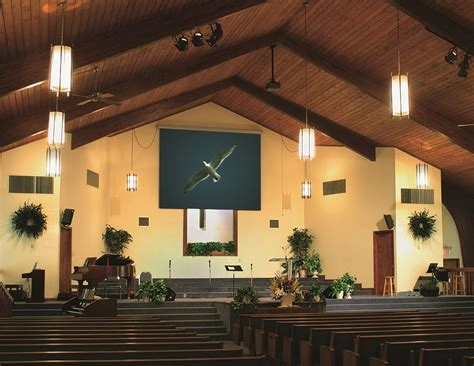
Elevate Worship Experiences with Broadcast-Ready Church LED Walls
In modern houses of worship, visual technology is no longer just a backdrop; it is a critical tool for congregation engagement and online pastoral reach. As traditional projectors struggle with ambient light and fading contrast, church LED screens have emerged as the industry standard. However, specifying a digital display for a sanctuary is vastly different…
Inside the LED Display Factory: Why US B2B Buyers Choose High Quality OEM/ODM Manufacturers
The Shift Toward Direct Factory Partnerships in the Global LED Industry In the rapidly maturing US visual technology market, the traditional model of buying through multiple layers of local distributors is being replaced by direct partnerships with led screen manufacturers. The reason is simple: large-scale projects, such as stadium upgrades or corporate campus rollouts, require…
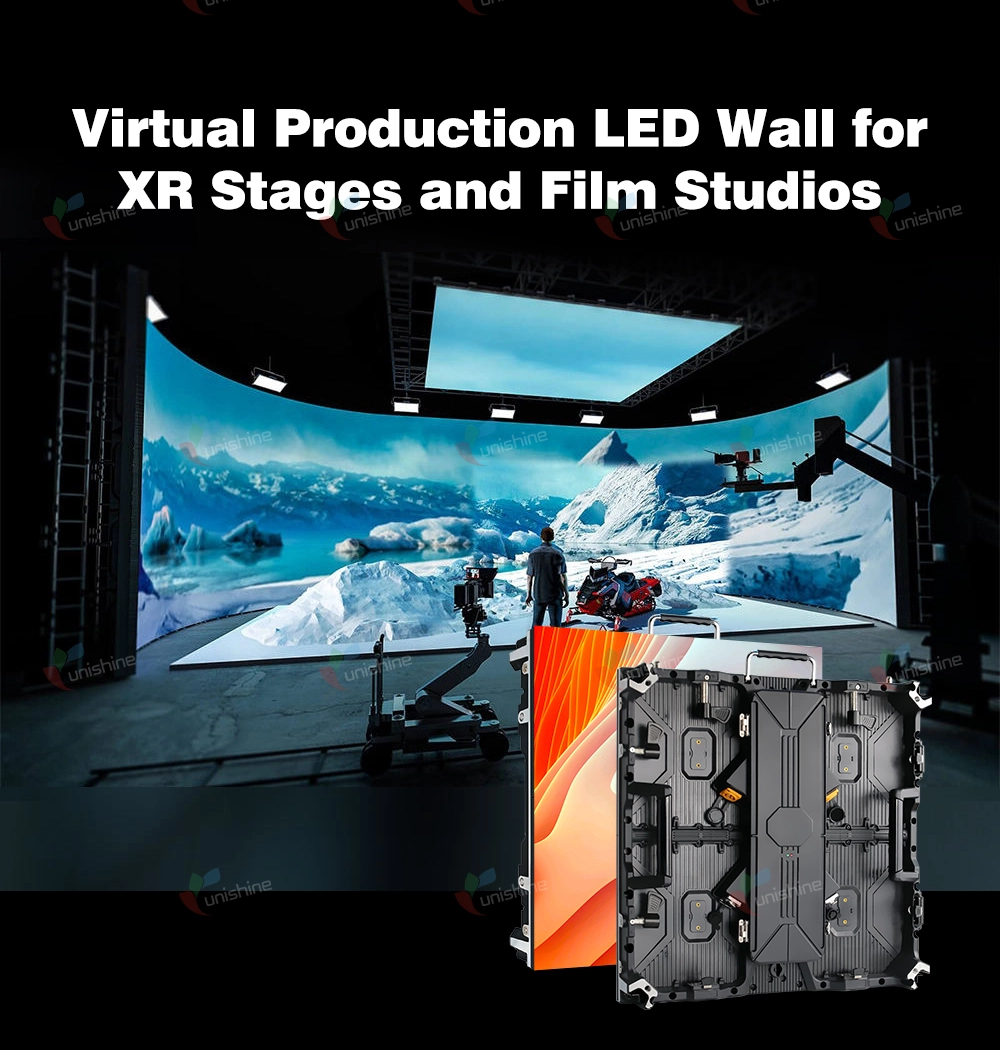
High Quality Indoor LED Display Screens: Bespoke Visual Solutions for US Commercial & Retail Spaces
The Shift Toward High-Resolution Digital Environments in Modern Business Walk into a high-end luxury boutique in New York or a corporate headquarters in San Francisco, and you will notice that the “atmosphere” is increasingly defined by light and motion. Static posters and dim projectors have been replaced by vibrant, seamless indoor led display screen technology….
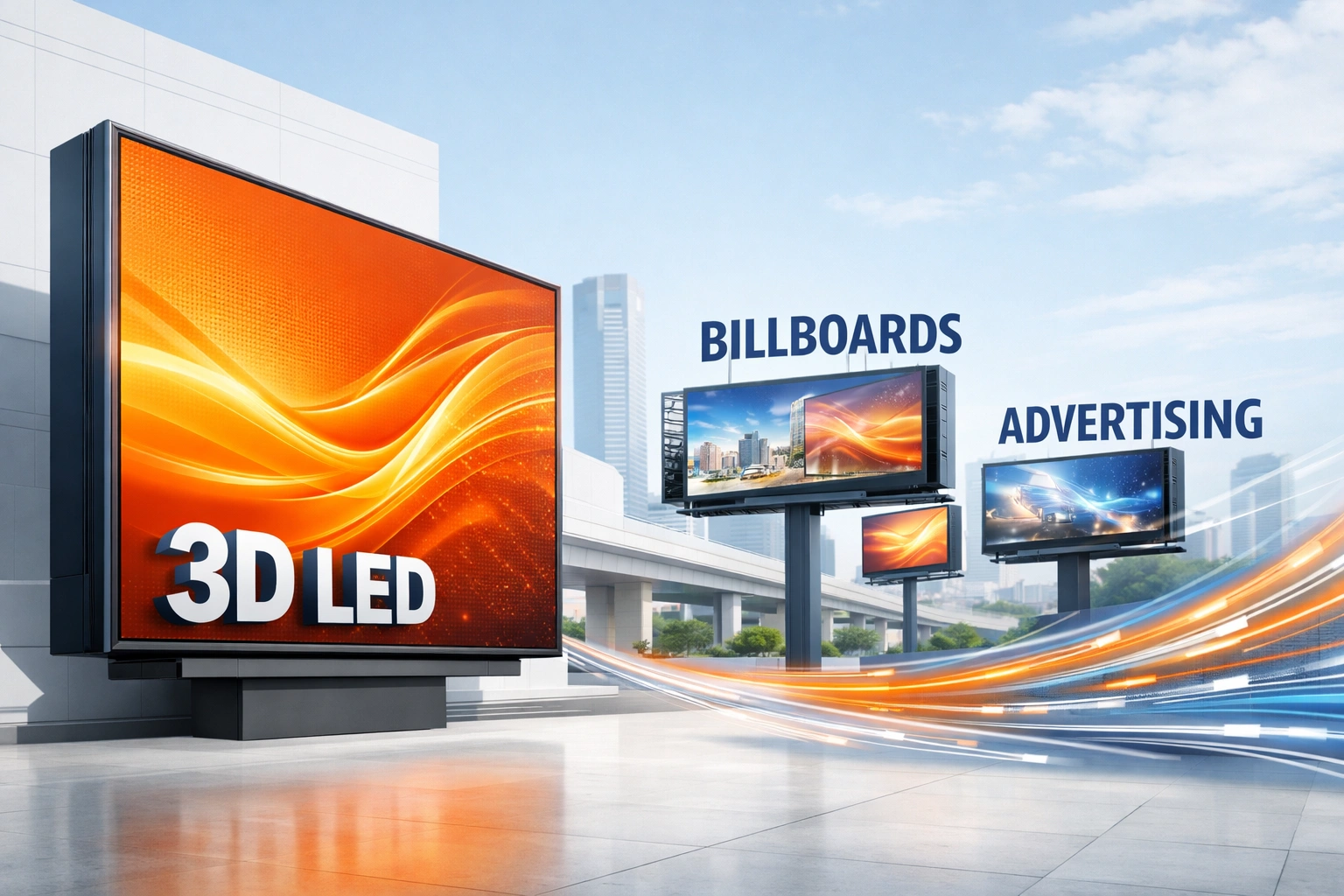
High Quality Outdoor 3D LED Screens: Custom Digital Billboards for the US Advertising Market
The Rise of Immersive Out-of-Home Media in American Cities If you look at the skylights of modern hubs like Miami, Las Vegas, or the revitalized districts of Nashville, you will see a massive shift in how brands talk to the public. The traditional printed vinyl billboard is fading into history, replaced by high-octane outdoor advertising…
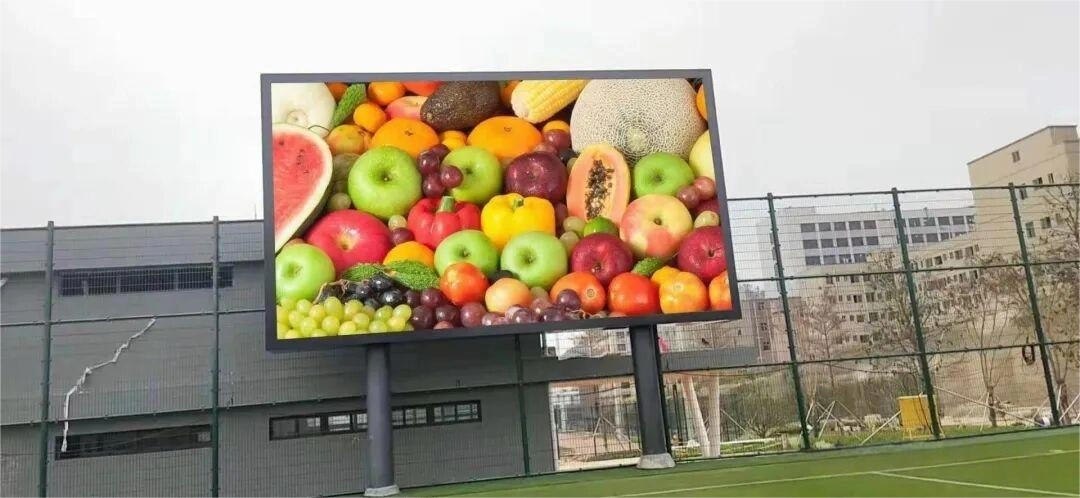
What Are the Differences Between Front-Maintenance and Rear-Maintenance Full-Color LED Displays?
Difficult maintenance has become a major pain point for many customers of full-color LED displays. For those using inlaid or wall-mounted installations, inspection and maintenance work are arduous, often causing a chain reaction affecting the entire system. Full-color LED display products must not only meet standardization requirements but also be user-friendly to cater to the…
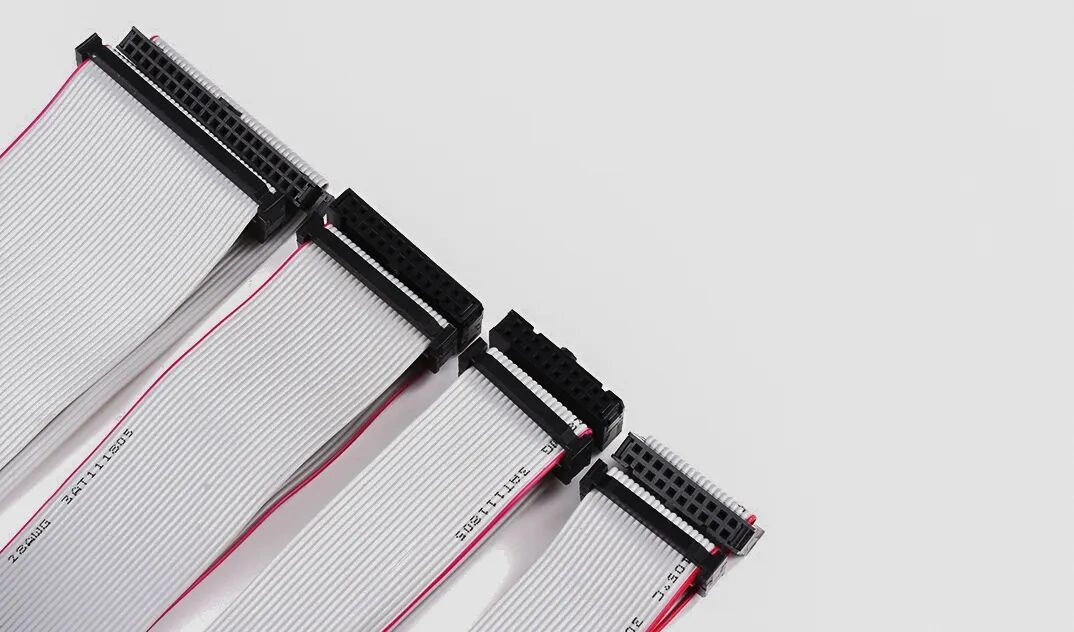
Differences Between 16P, 20P, and 26P Cables for LED Displays
Behind every LED display, flat cables play a crucial role in connection and signal transmission—much like the blood vessels of the human body, delivering various signals and data to every pixel of the display to ensure its proper operation. Among them, 16P, 20P, and 26P cables are common types, each boasting unique characteristics and application…
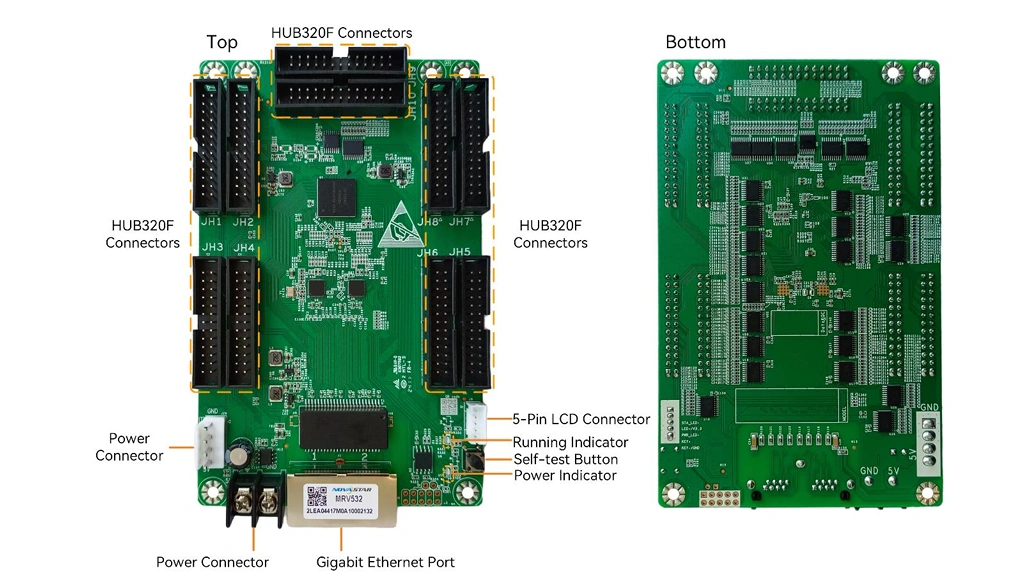
LED Display receiving Card Knowledge Guide
As one of the core components of an LED display, the LED receiving Card plays a vital role. This article will take you through everything you need to know about LED display receiving cards. Let’s dive in. 1.What is an LED receiving Card? The LED display receiving card is a key part of the LED display control system. Its…